
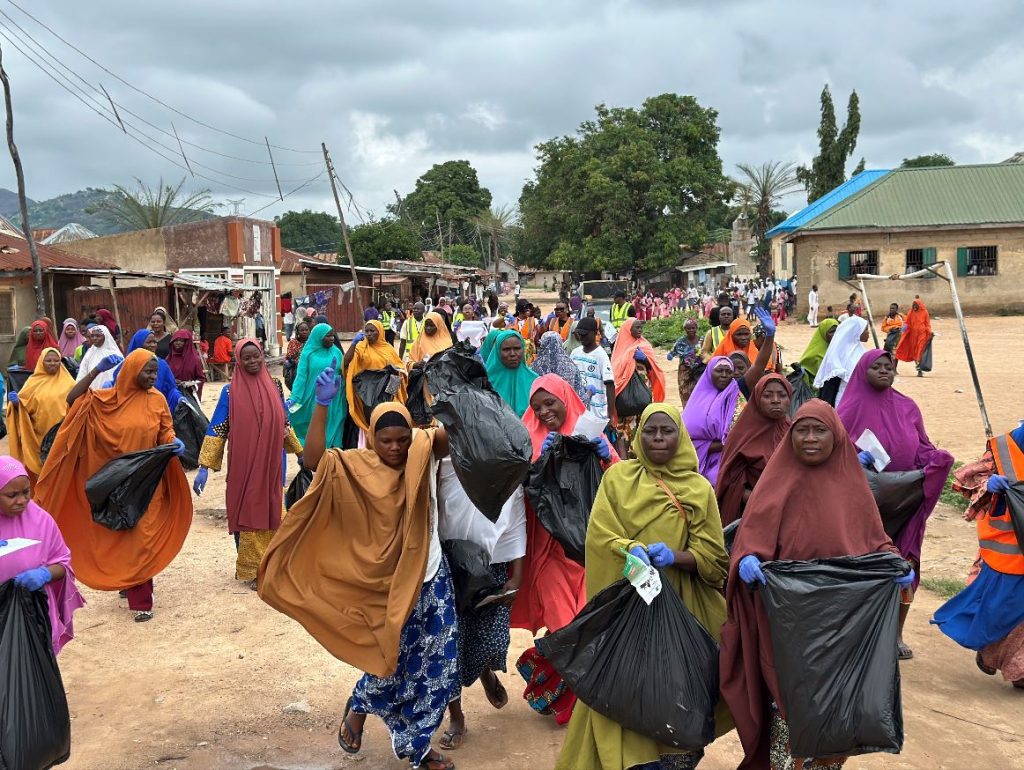
There is a high rate of waste scattered all around our environment, which leads to blocked drainage systems, smelly surroundings, and sometimes this waste find their way into the water that we drink. We inhale it, live with them, and unknowingly consume them. At RippleAfrica Trust Foundation, we believe that sustainable development begins at the community level by turning local challenges into opportunities for growth. One such challenge is waste management, and one powerful solution is our Waste-to-Wealth Project, currently being implemented in Poulosa Community, Niger State.
This initiative is designed to empower women economically while addressing environmental pollution, demonstrating that waste can be transformed into value when skills, creativity, and opportunity come together.
About W2W
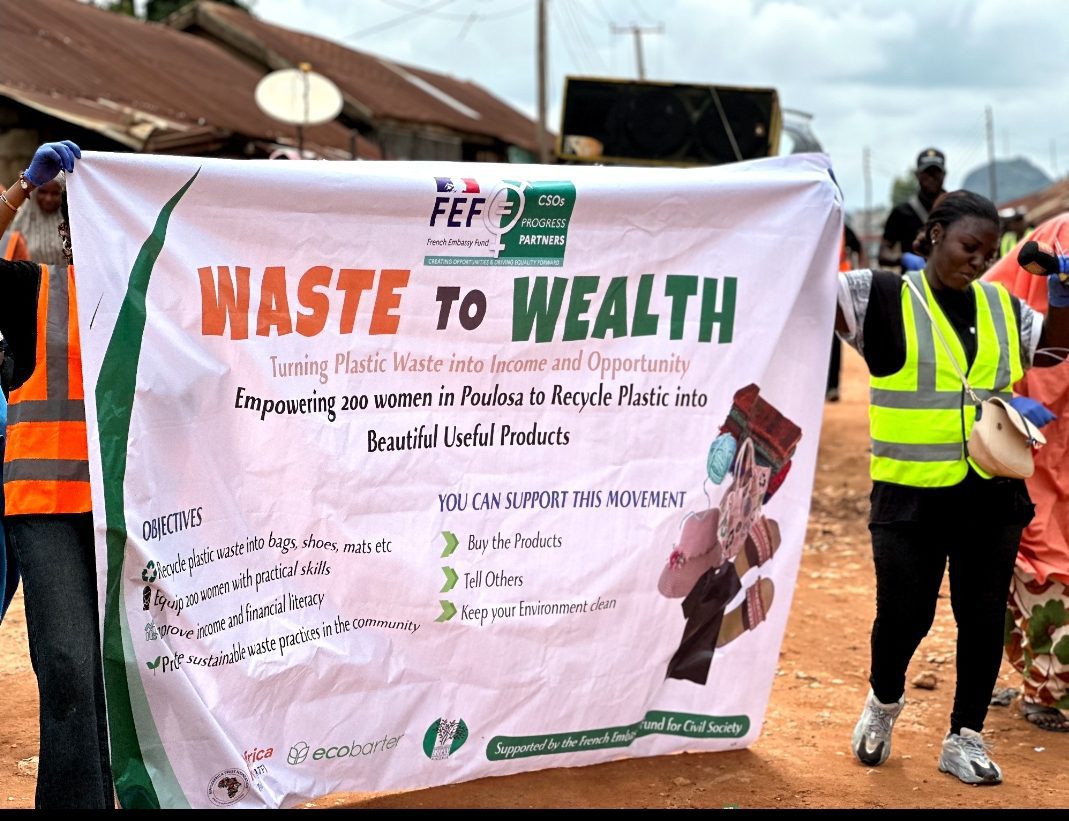
The Waste-to-Wealth Project was launched in mid-2025 and will continue through 2026 to equip women with practical, income-generating skills using materials readily available in their environment. Rather than viewing waste as a problem, participants are trained to see it as a resource.
So far, 200 women from Poulosa community have been trained to convert waste materials into reusable and sellable products. The training focuses on hands-on learning, creativity, and sustainability. Most of the women are farmers, fashion designers, and petty traders; learning what we teach them is a way to earn extra income and also encourage financial independence for women.
Skills Training and Production
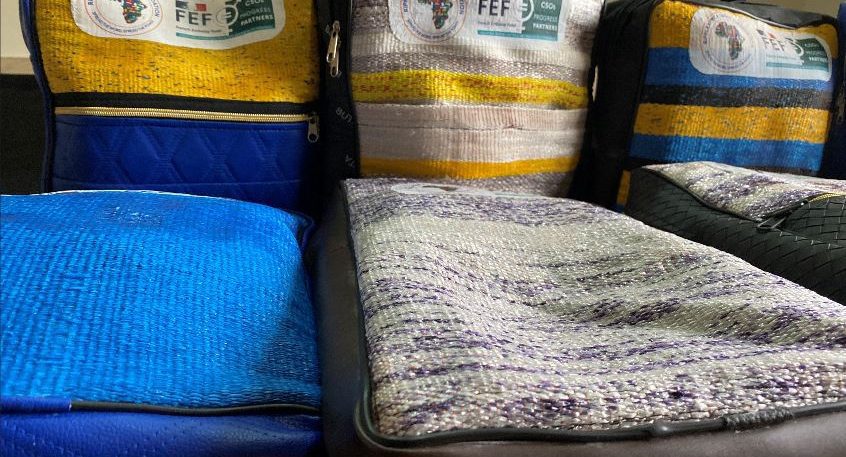
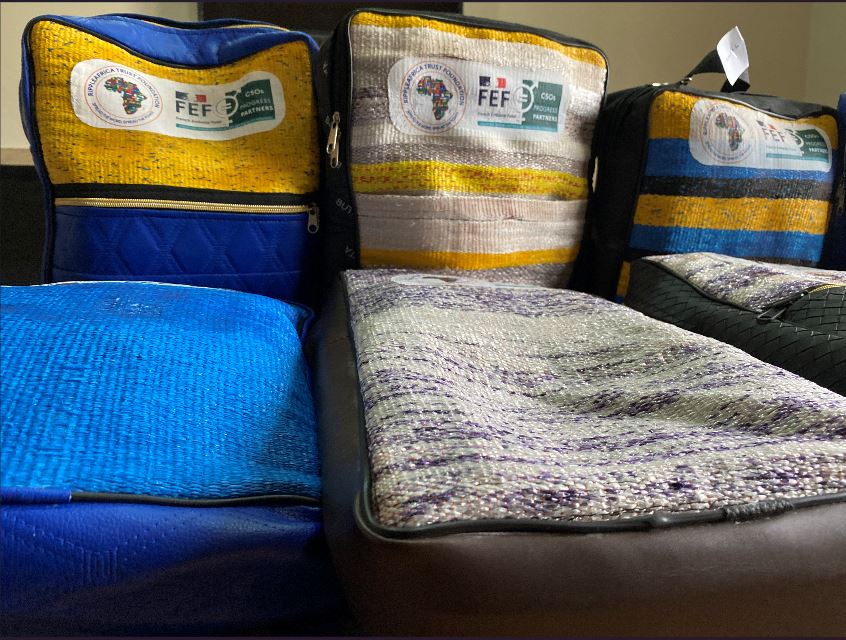
As part of the project, participants were trained using locally fabricated wooden looms, reinforcing the project’s commitment to using simple, affordable tools. Through these looms, the women have successfully produced a variety of items, including:
- Handbags
- School bags
- Slippers
Community and Environmental Impact
Beyond economic empowerment, the project has had a positive environmental impact on Poulosa community. By reducing the volume of waste in the environment, the initiative has contributed to:
- A cleaner and neater community
- A safer and healthier environment
- Increased awareness of sustainable waste management practices
Women who were previously unemployed or underemployed now have a source of income and a renewed sense of purpose, strengthening household livelihoods and community resilience.
Conclusion
The Waste-to-Wealth Project demonstrates that sustainable solutions are possible when communities are empowered with the right tools and skills.
Together, we can turn waste into wealth
