Turning Plastic Waste into Opportunity, Dignity, and Sustainable Livelihoods
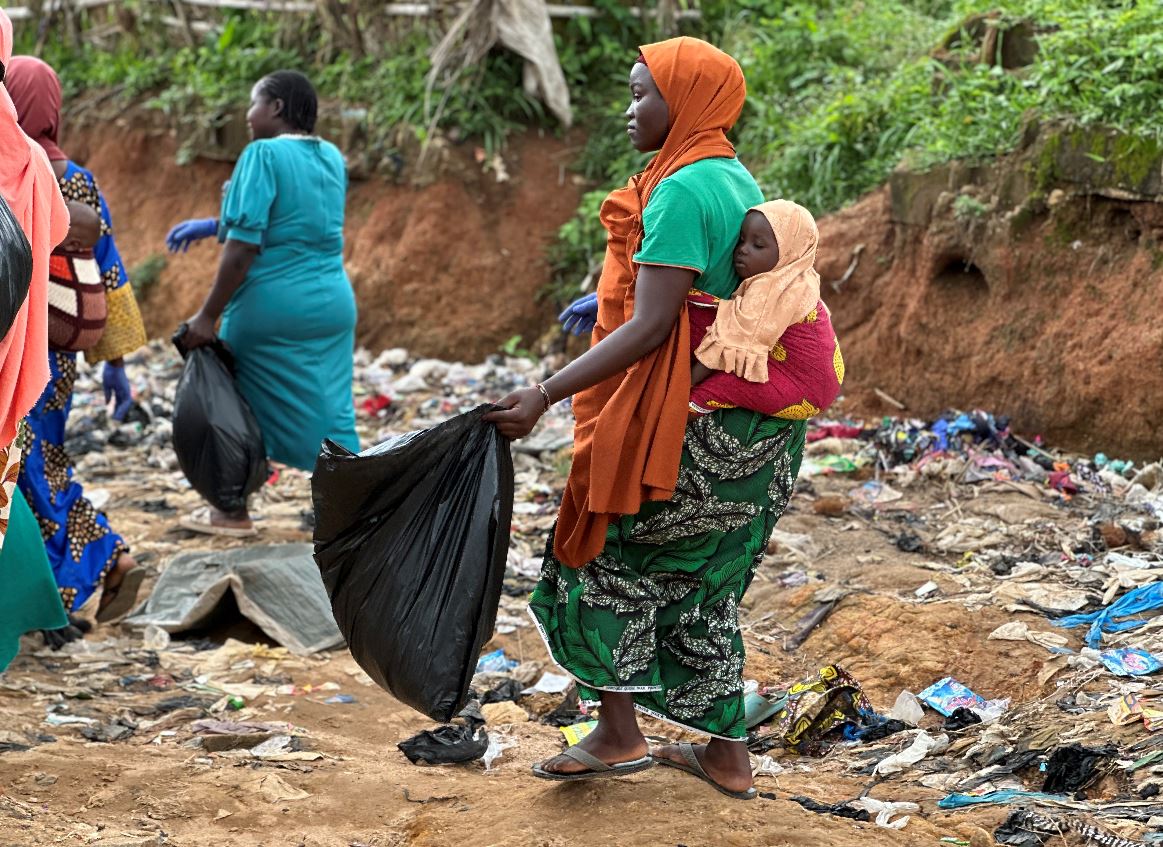
The Waste to Wealth Project is a transformative initiative designed to tackle two urgent challenges at once — plastic pollution and women’s economic vulnerability. In the Poulosa community, where environmental waste piles up and many women struggle to earn stable income, this project provides a practical, innovative, and empowering solution.
By training women to convert discarded plastic bags into durable “plabrics” and make products such as handbags, mats, shoes and other items, the project places economic power directly in the hands of local women. Through community engagement, hands-on training, financial literacy support, and market access pathways, women gain not just a skill — but a livelihood.
This project reduces environmental waste, strengthens community resilience, and opens new doors for women who are ready to create, earn, and lead. It is a testament to what can happen when communities are supported to turn everyday challenges into life-changing opportunities.
At its core, Waste to Wealth is more than an intervention — it is a movement of women transforming their environment, shaping their economic future, and inspiring sustainable change for generations to come.
1. Community Entry
Before any training began, we started with what matters most — people.
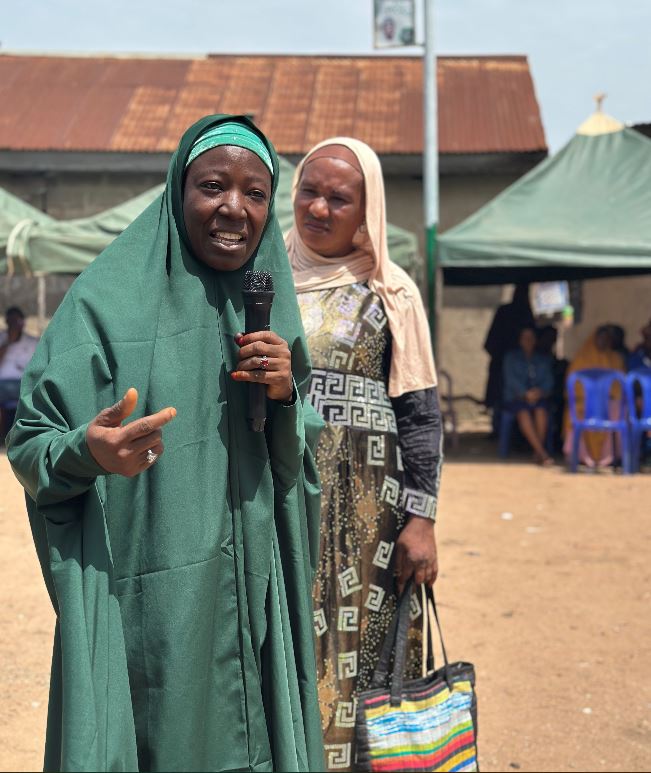
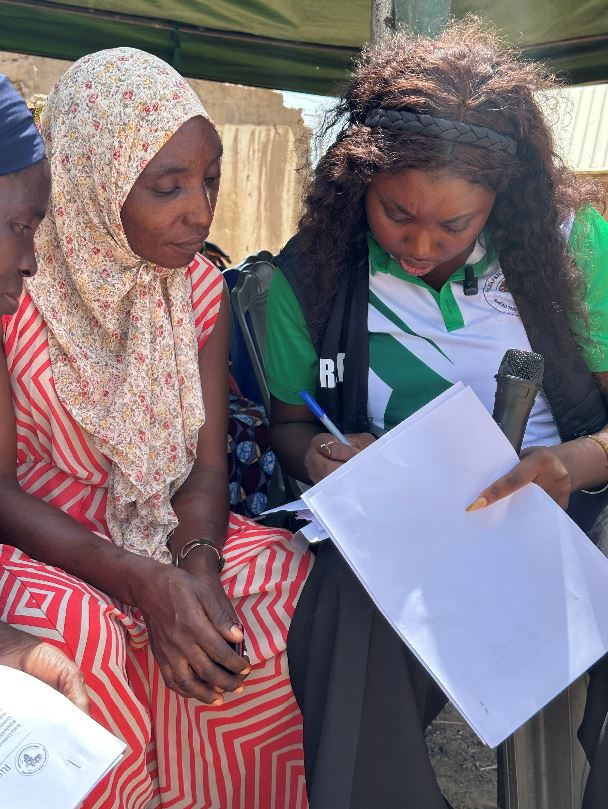
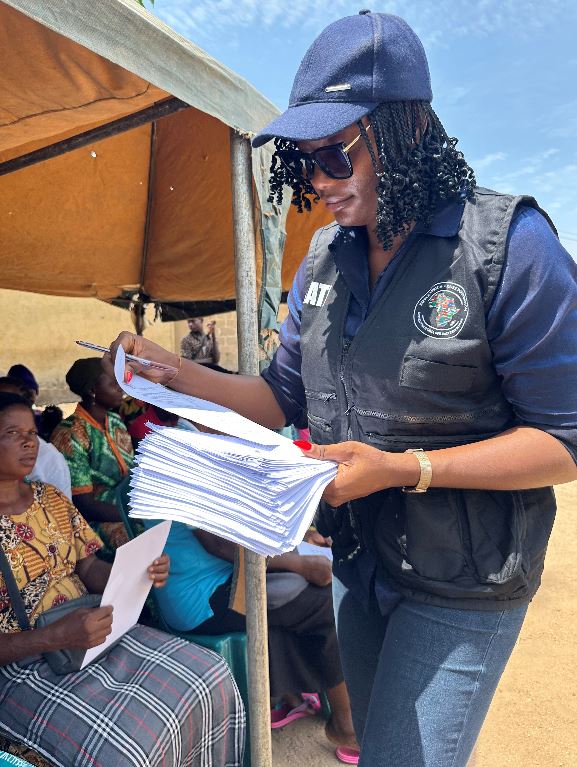
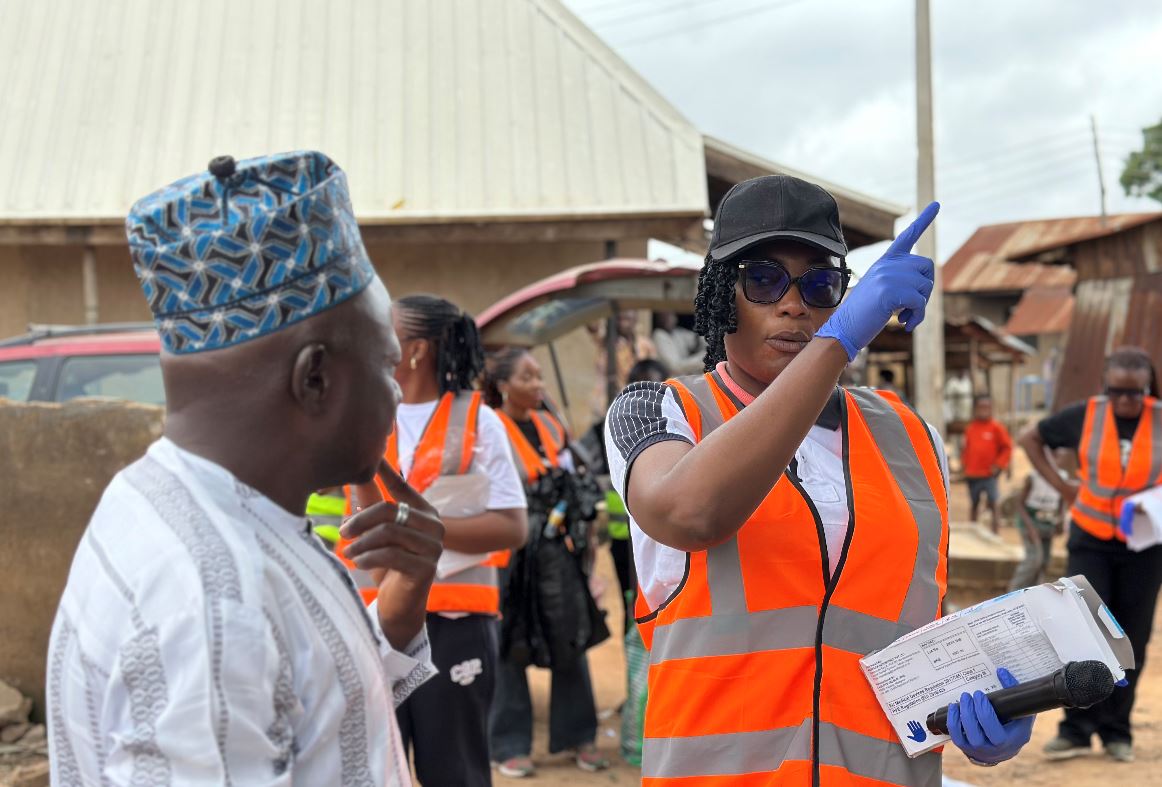
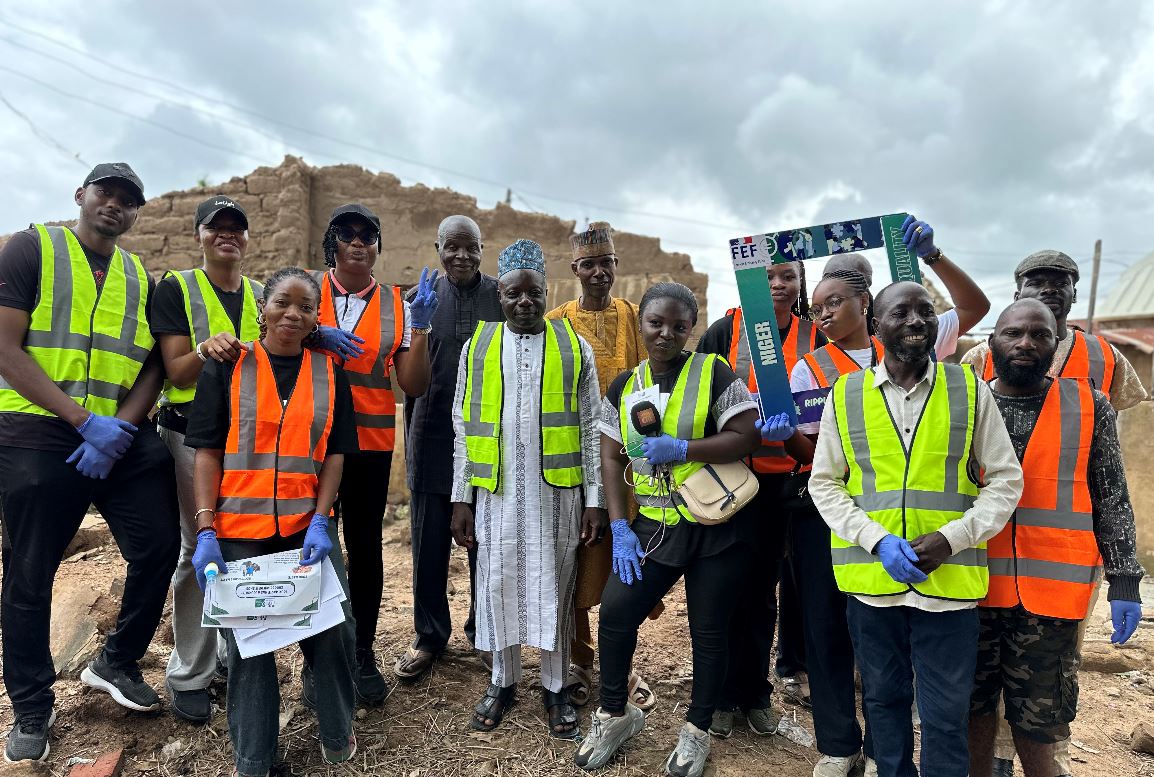
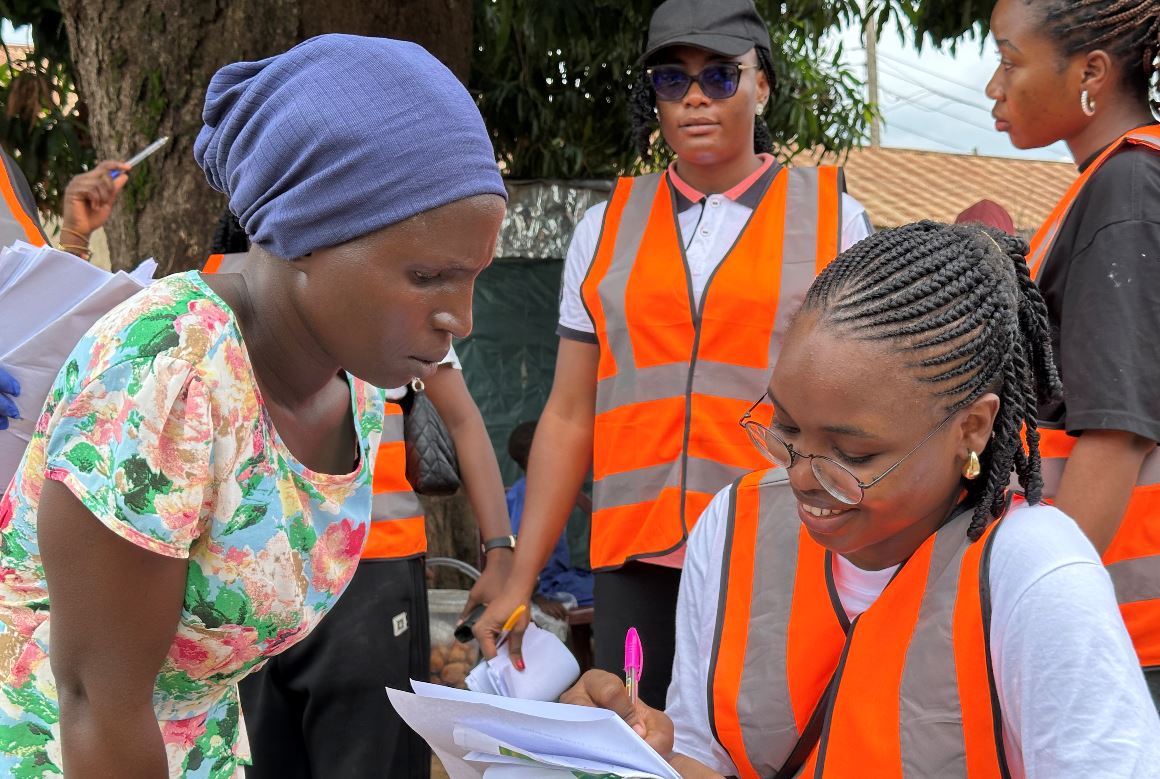
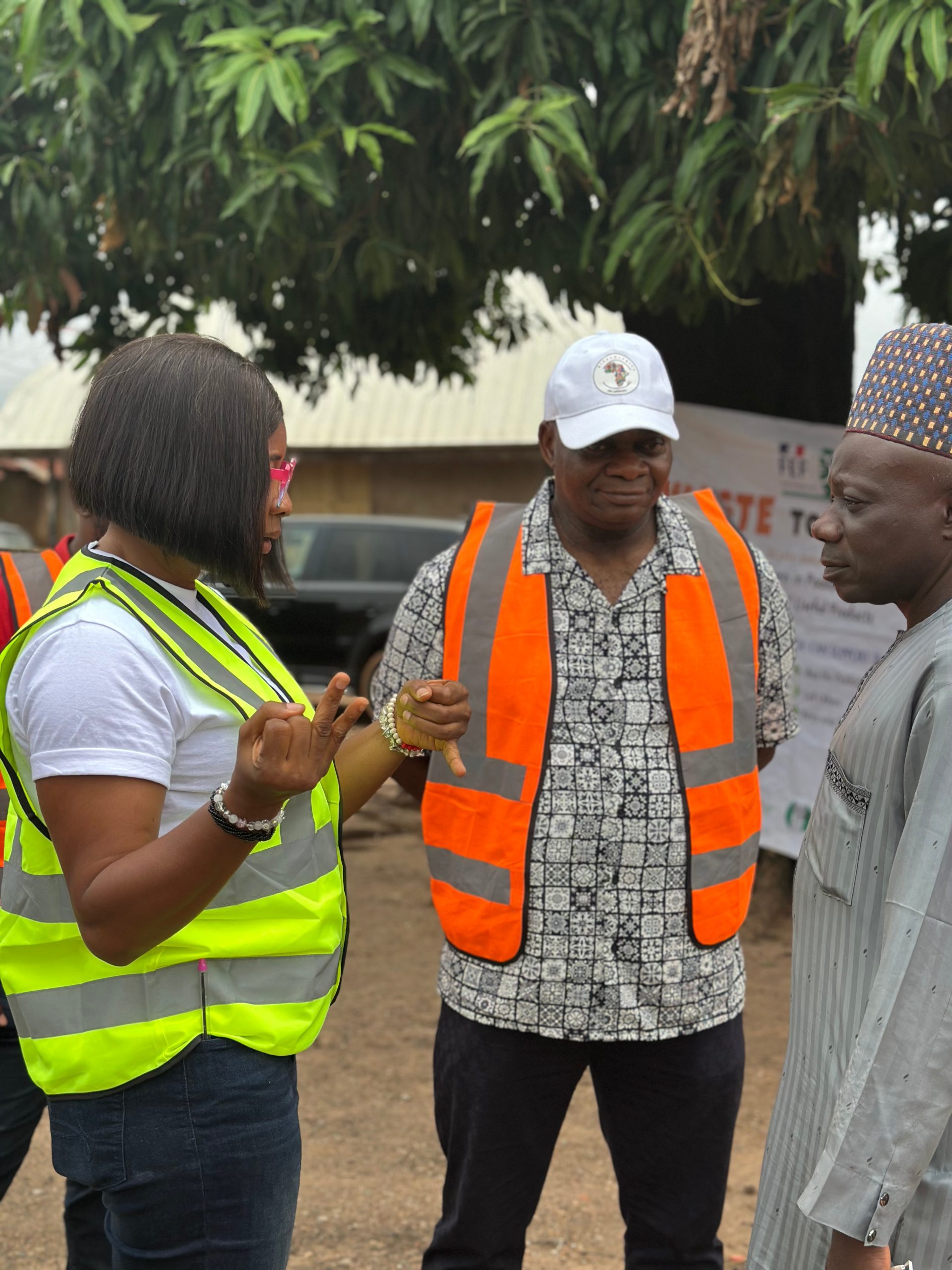
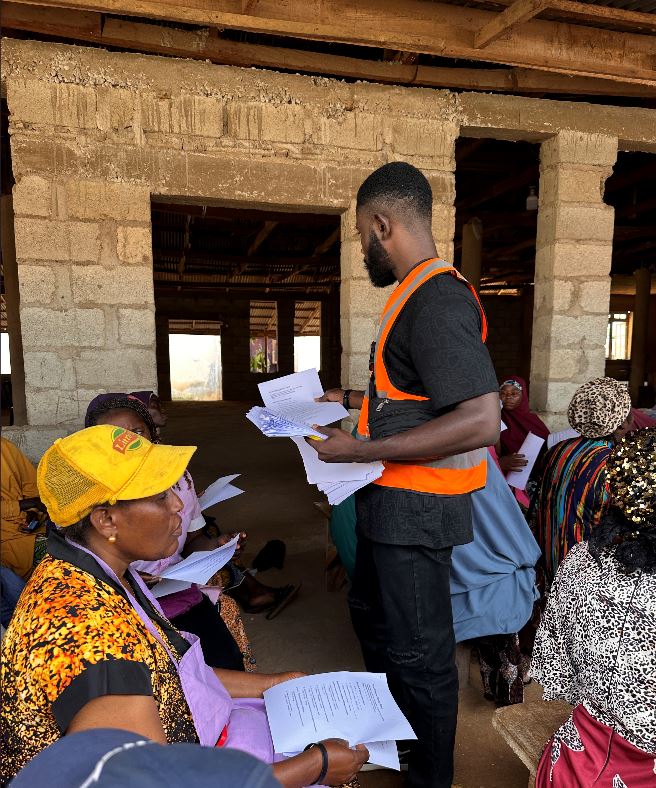
Our team entered Poulosa community with humility and openness, meeting with traditional leaders, women groups, youth representatives, and households to understand their realities. This phase allowed us to listen, learn, and build trust.
We mapped the community’s plastic waste challenges, identified interest groups, and aligned with existing structures to ensure that the project would not feel imposed, but owned by the community itself.
By the end of community entry, we established strong relationships, gained leadership support, and created a foundation of genuine partnership — ensuring the Waste to Wealth project began on shared values and shared vision
2. Community Sensitization
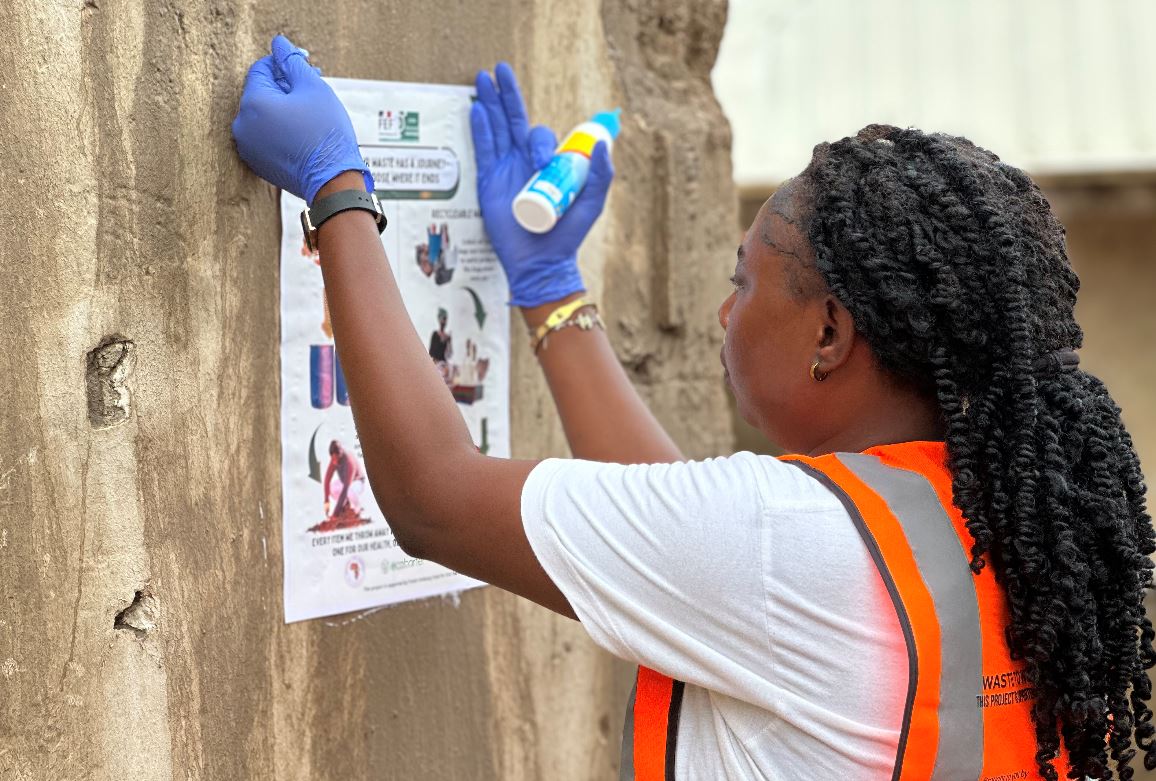
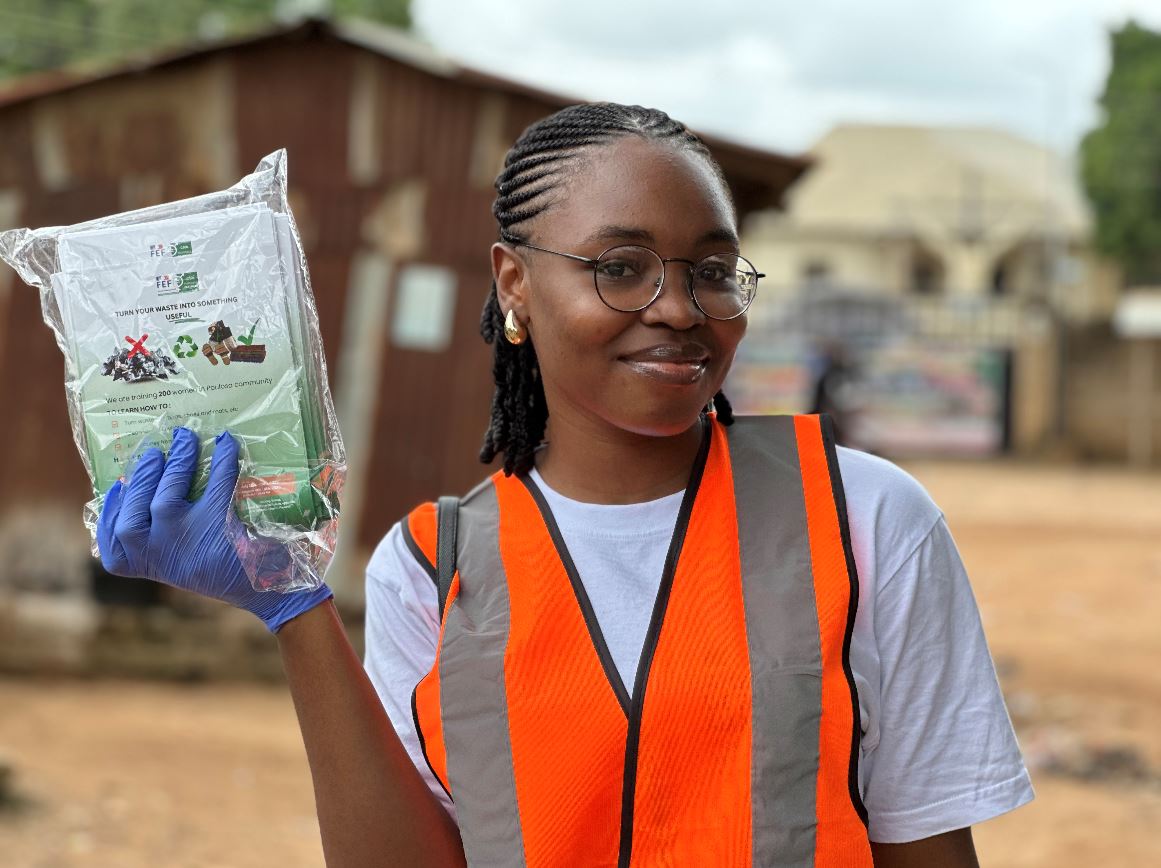
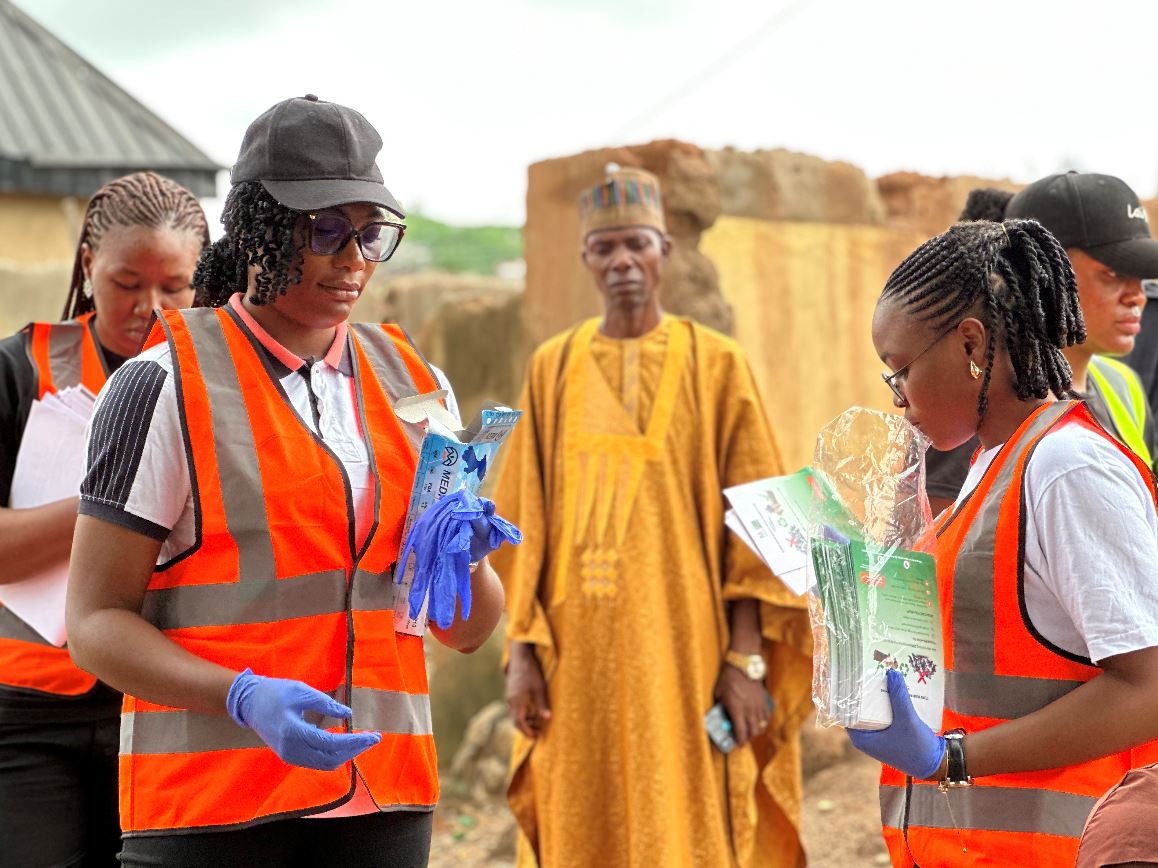
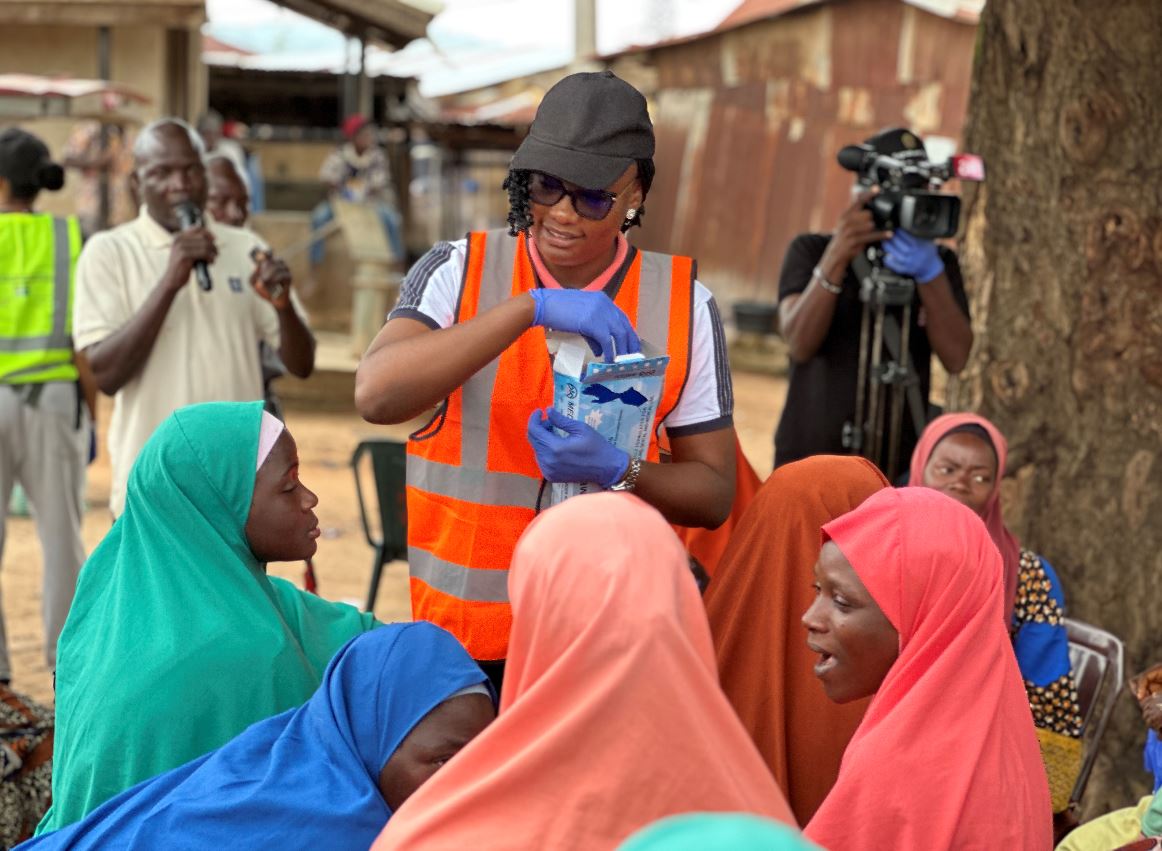
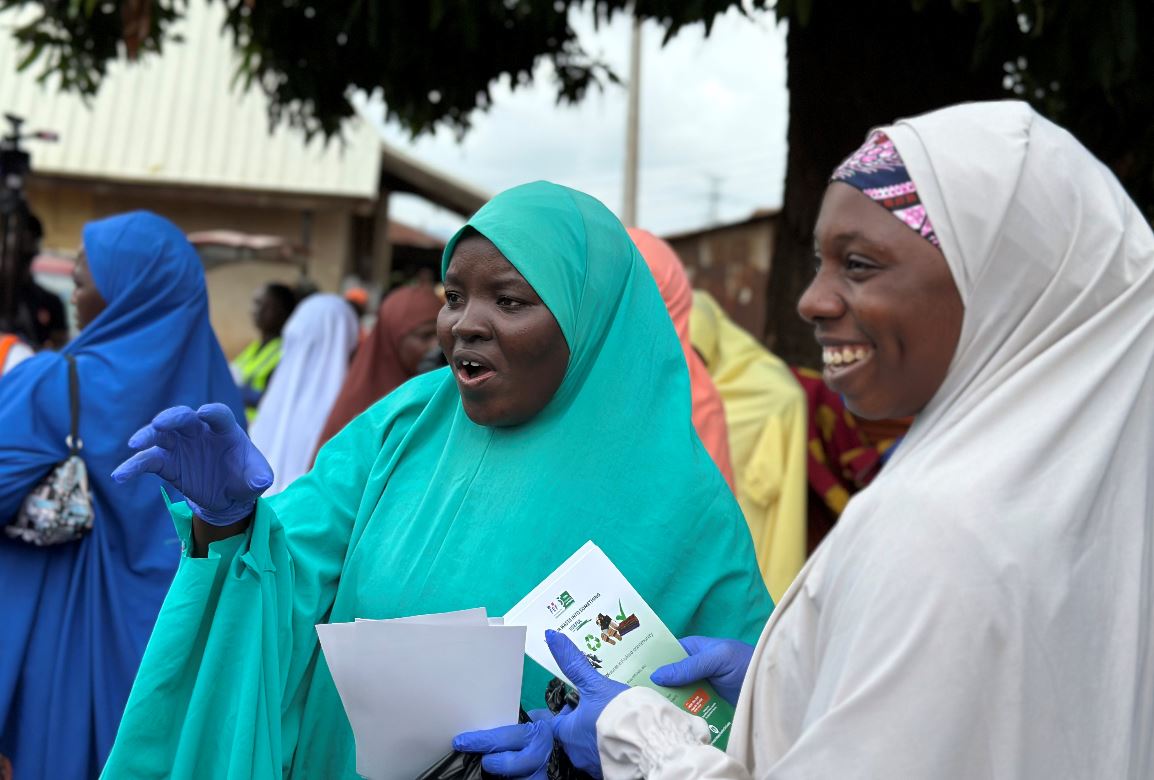
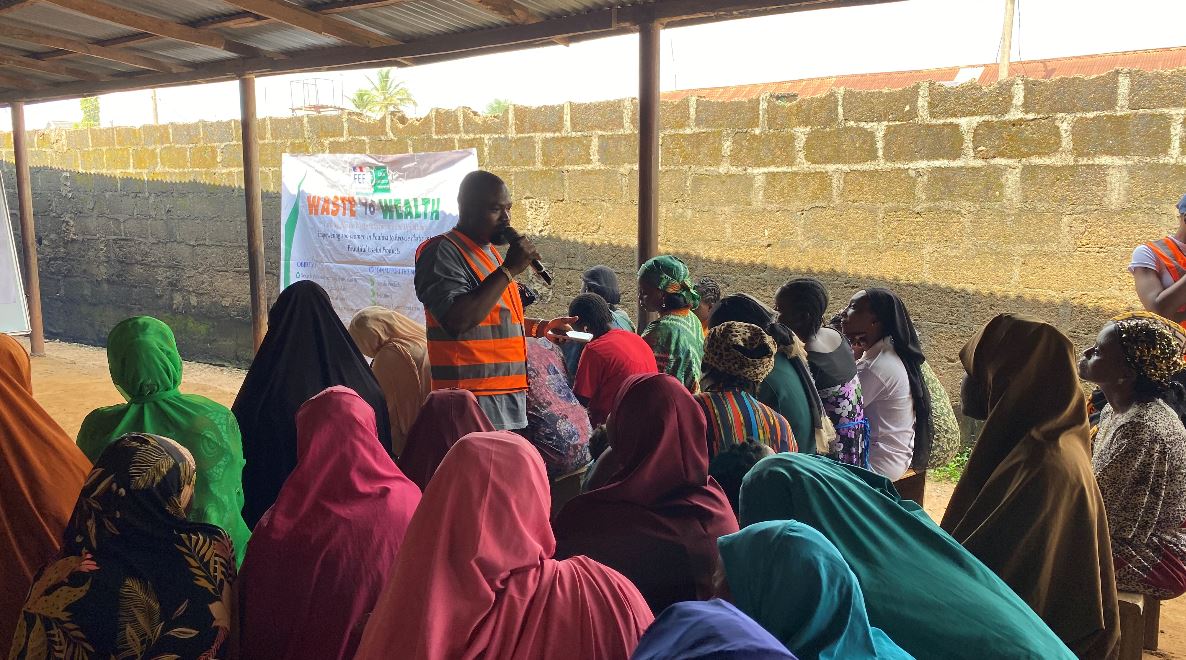
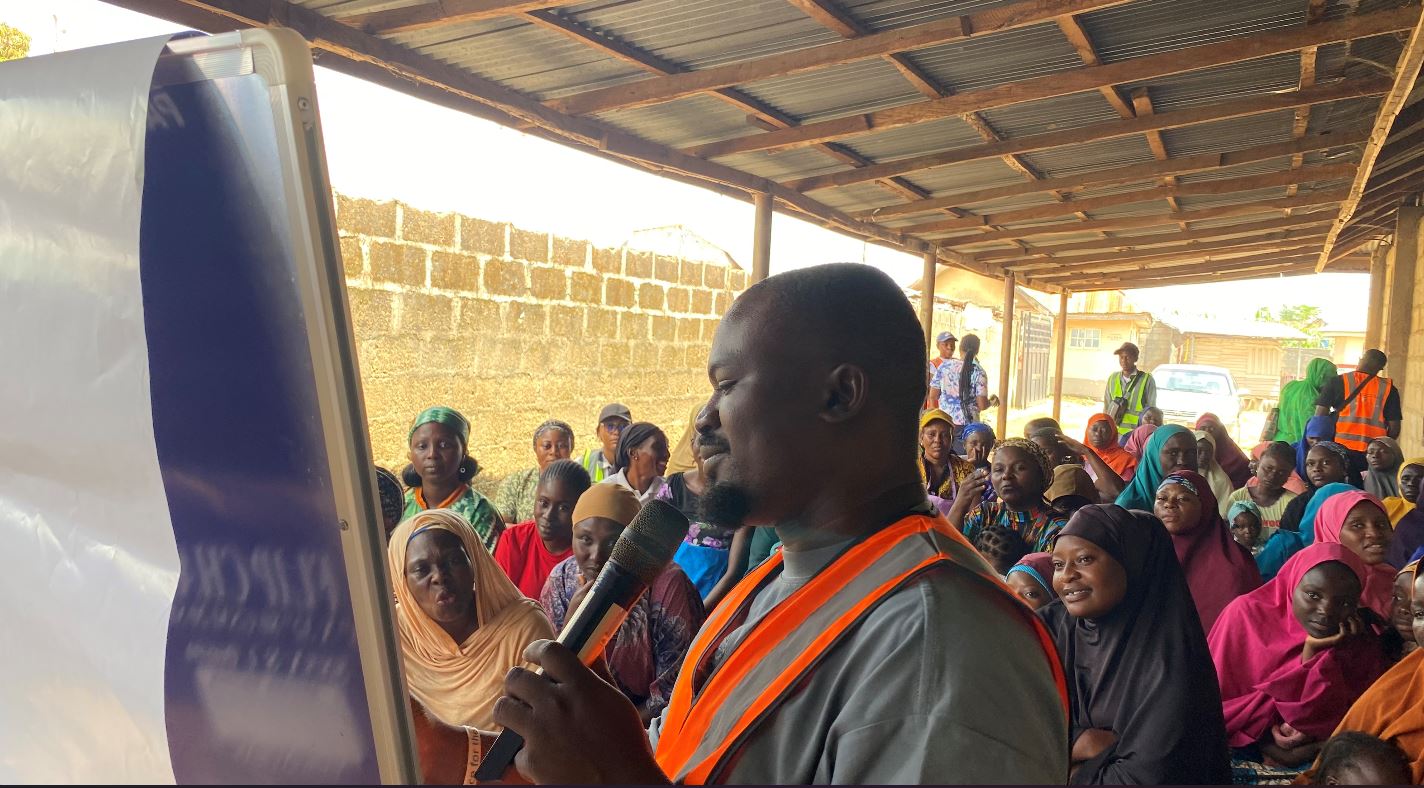
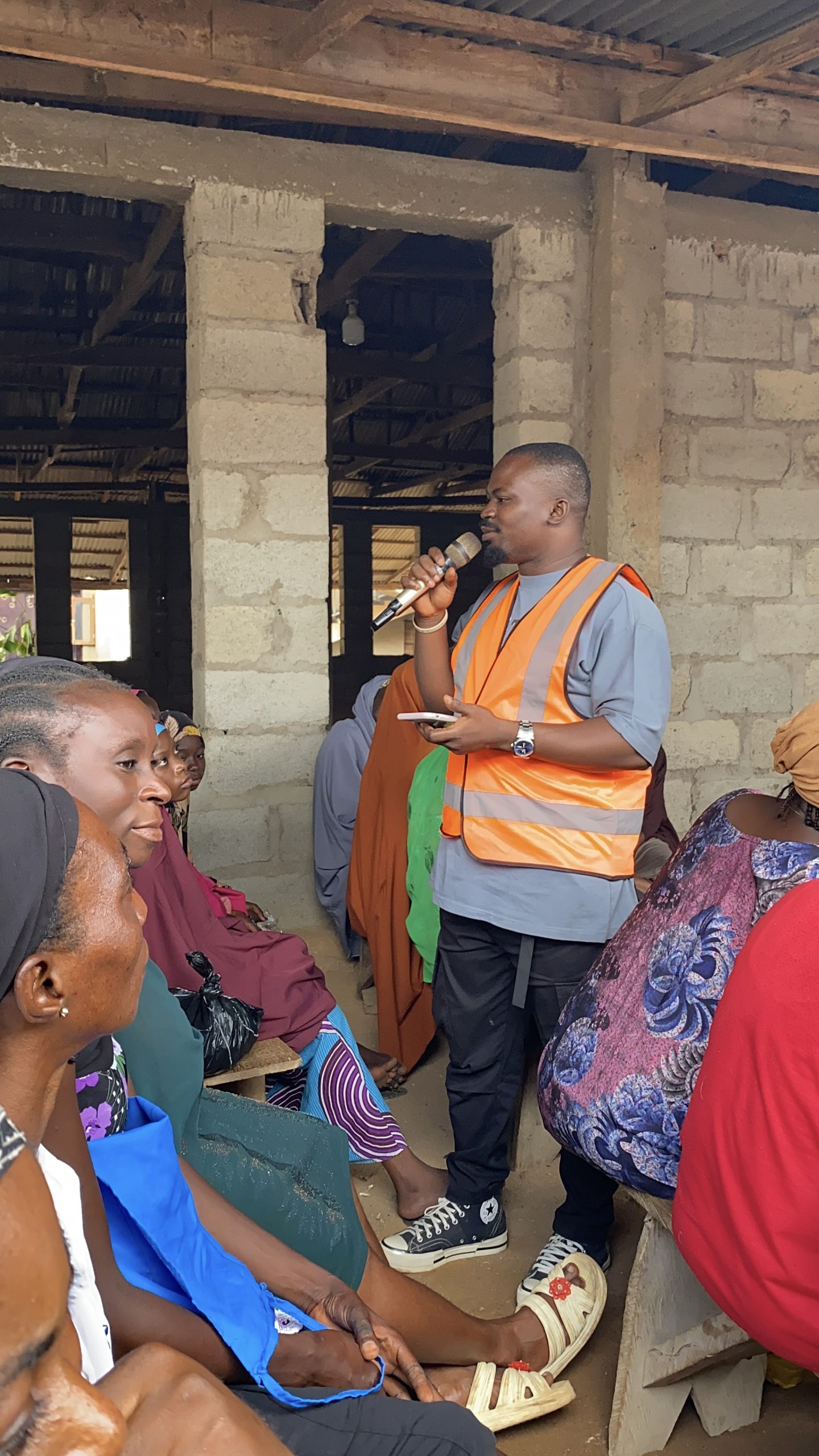
Once trust was established, we returned to Poulosa with a message: plastic waste can become opportunities.
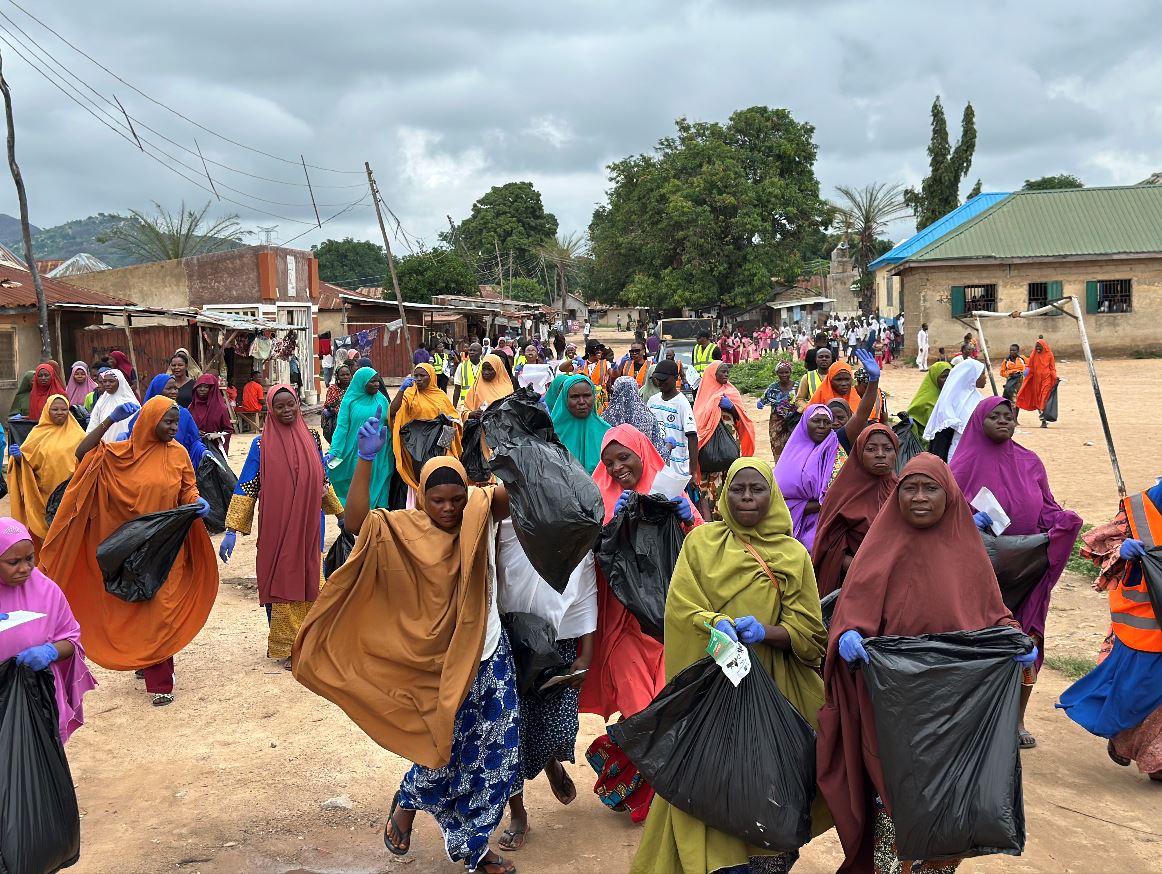
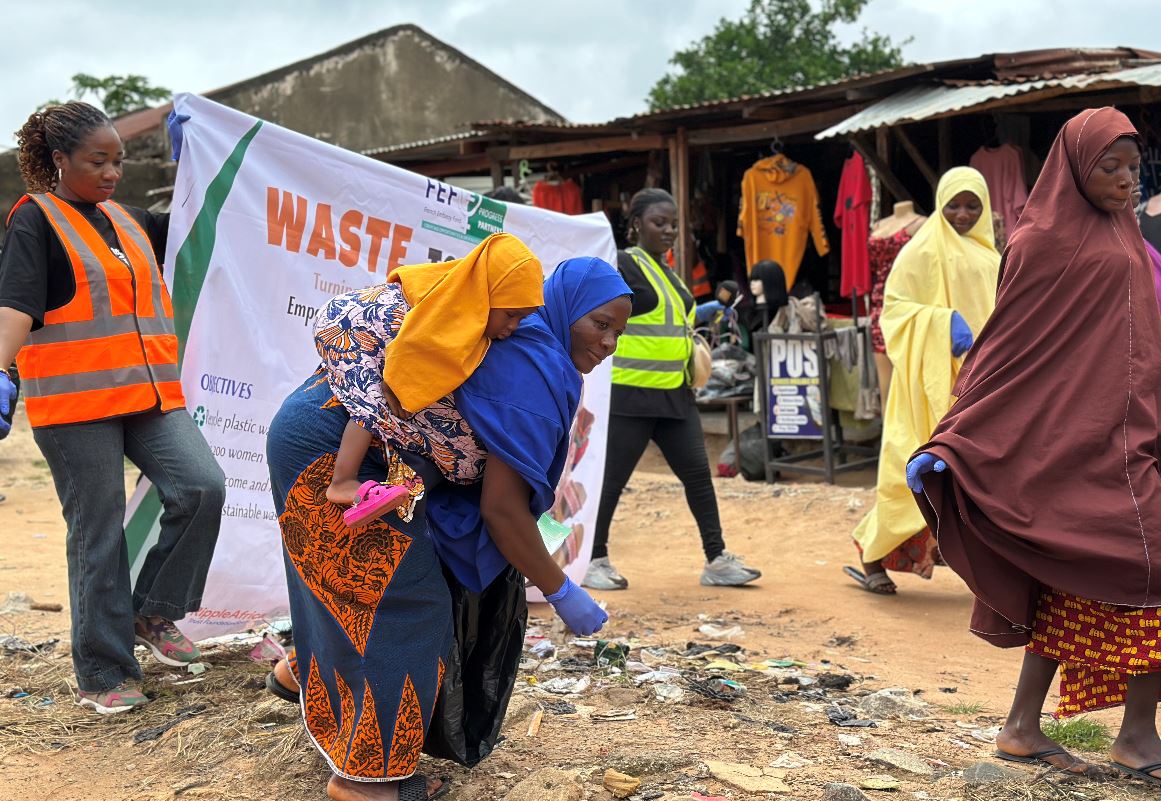
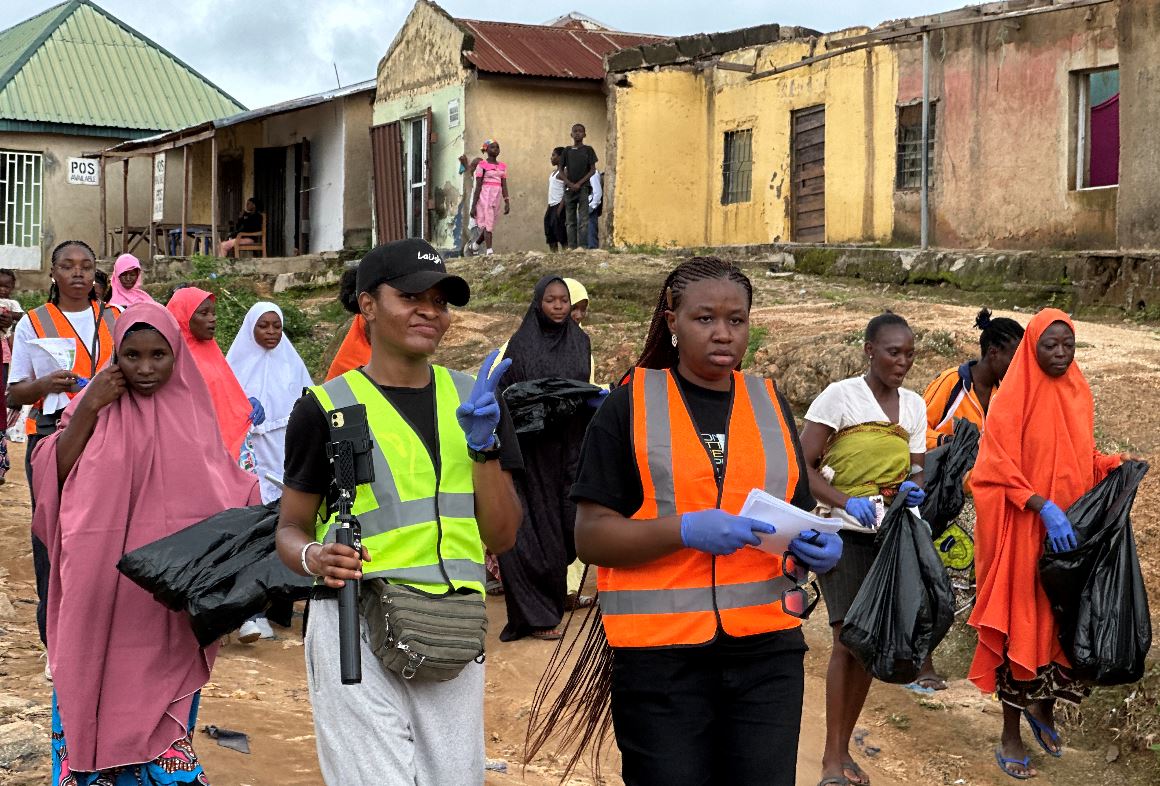
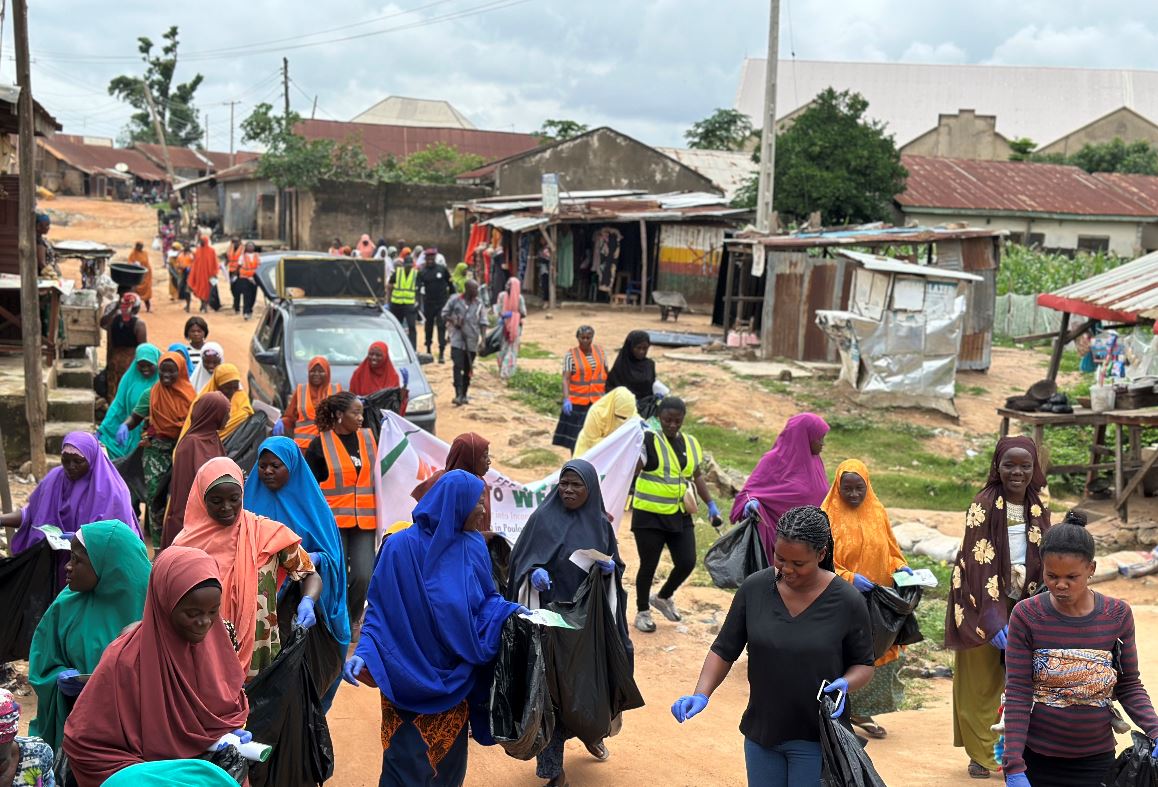
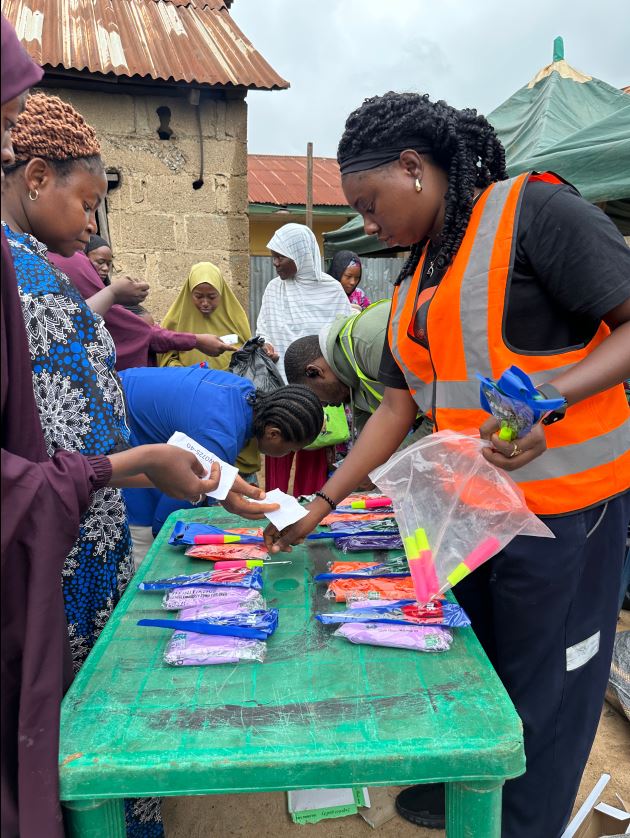
During the community sensitization, the women excitedly walked around the community picking waste(nylons) to not only clean-up the environment but gathering the raw materials they need for their training
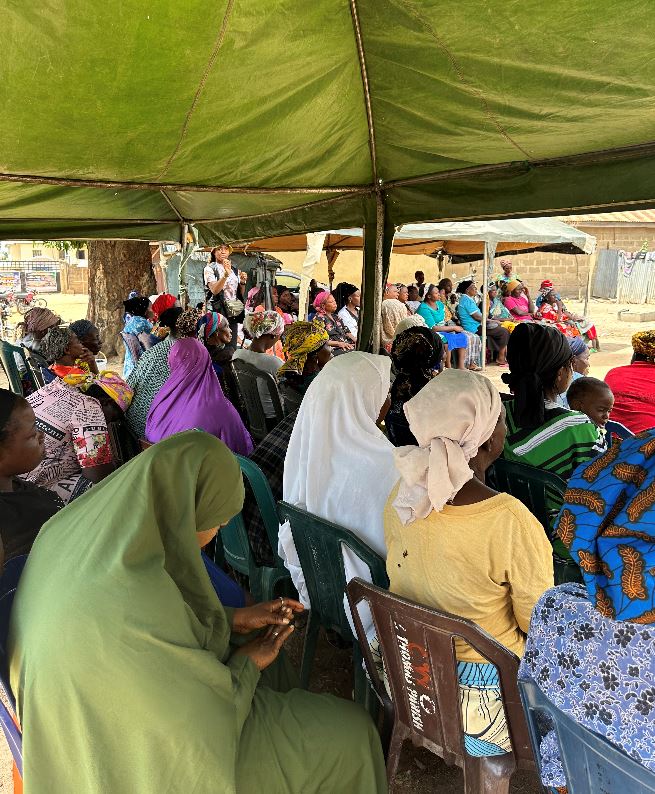
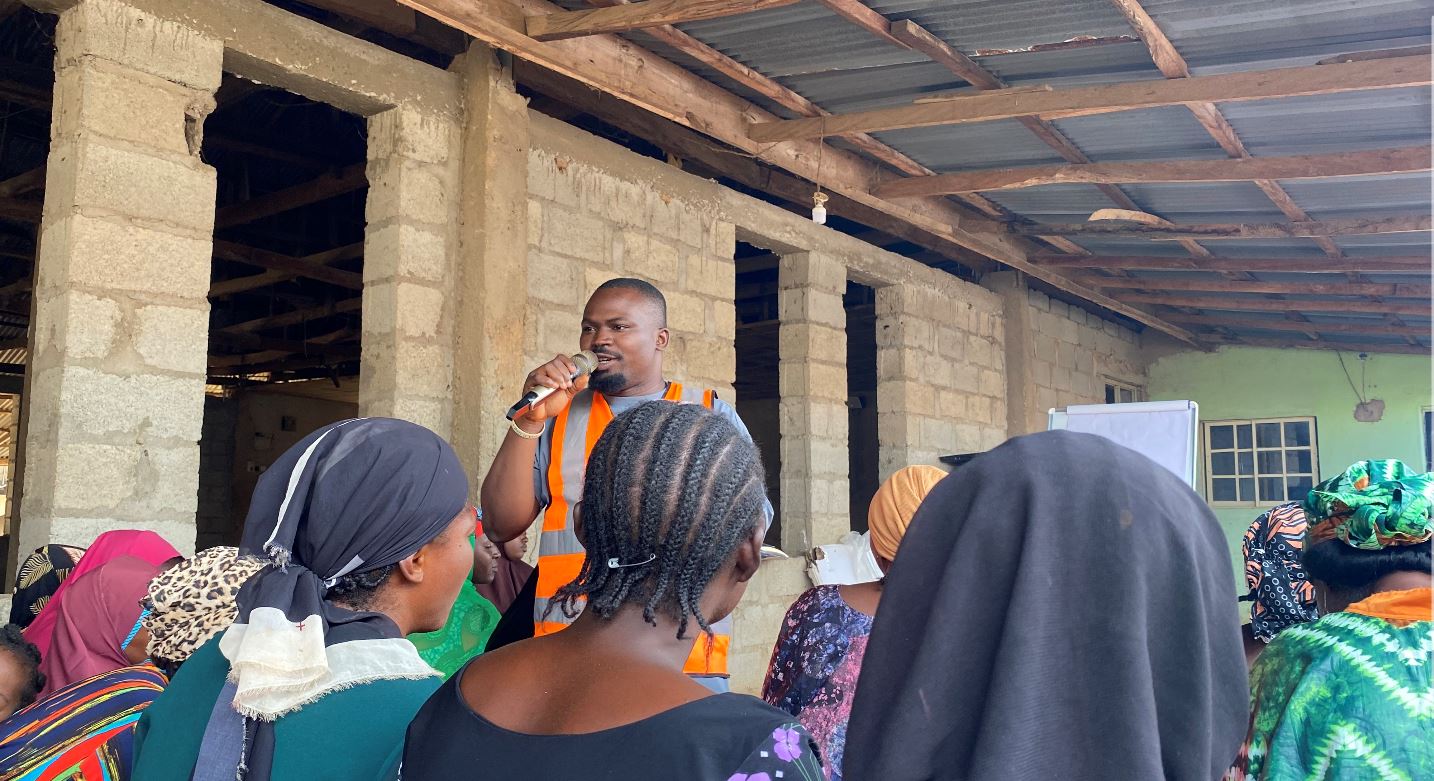
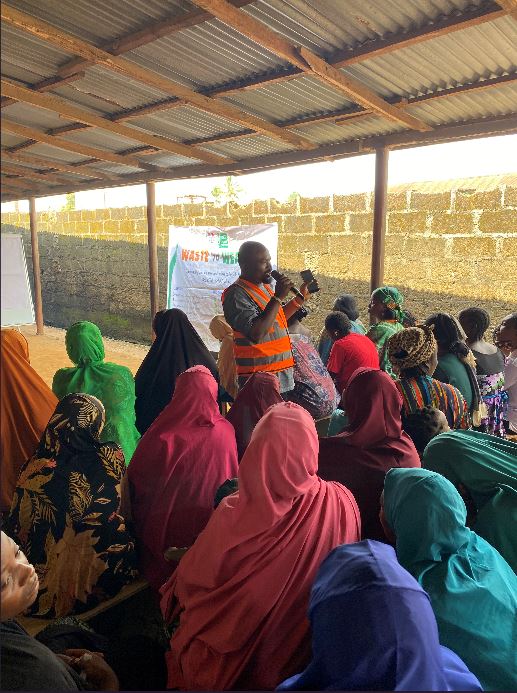
Through community walk-throughs, open-air sessions, and townhall discussions, residents learned about:
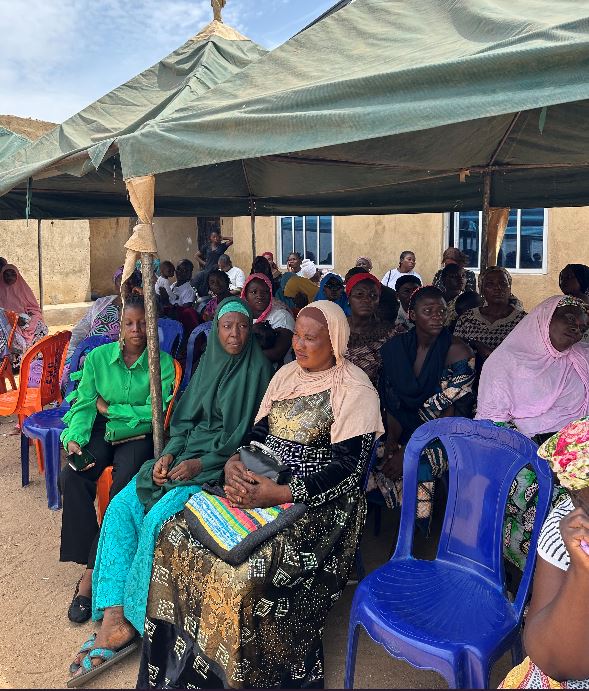
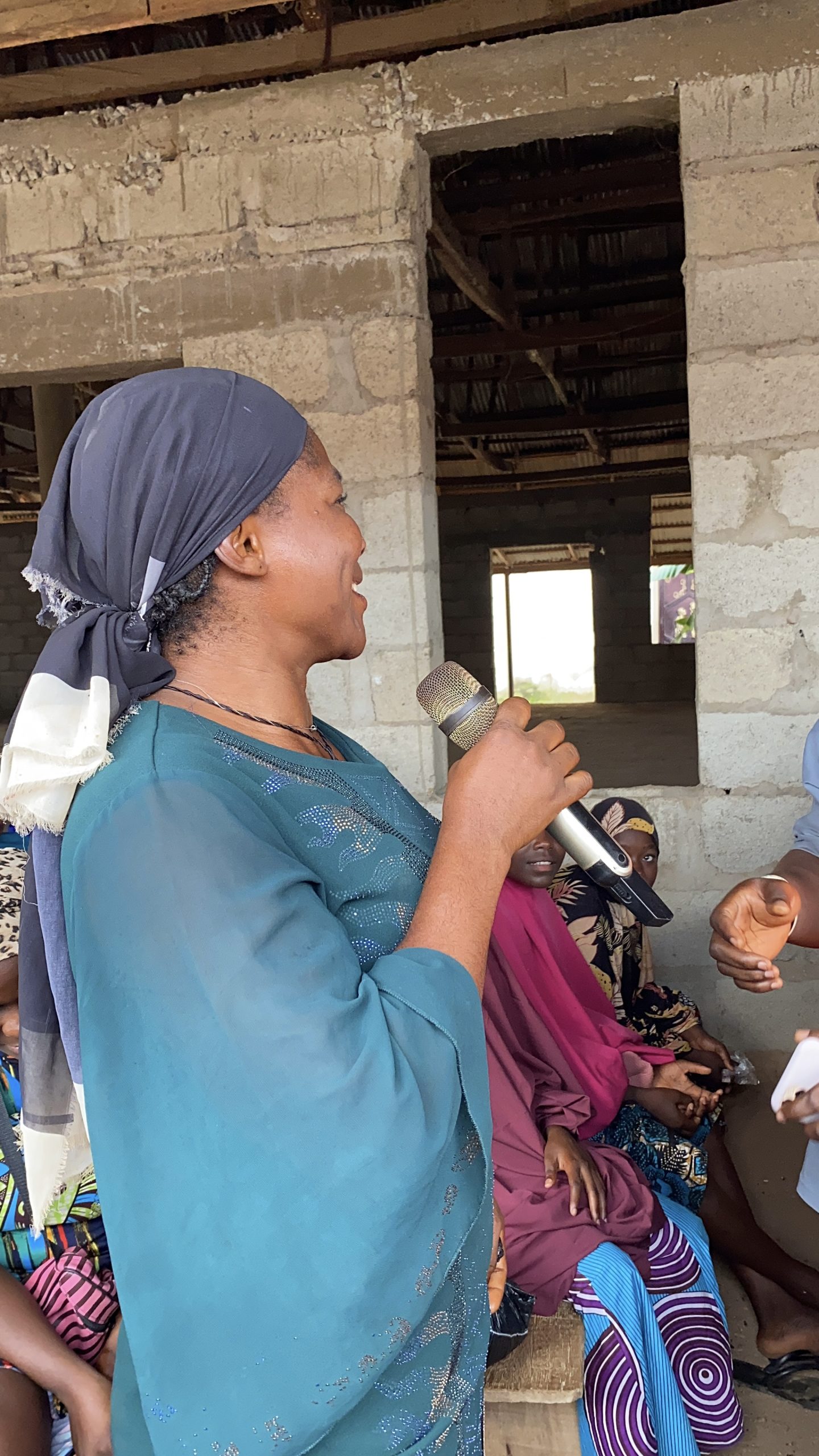
The sensitization brought the entire community together — children, elders, mothers, shop owners, and leaders. Women were excited to discover that something they once saw as a nuisance could actually become a source of income.
This stage sparked awareness, curiosity, and pride — and set the tone for active participation as 200 women prepared to begin training.
3. Trainings: Transforming Plastic Into Plabric
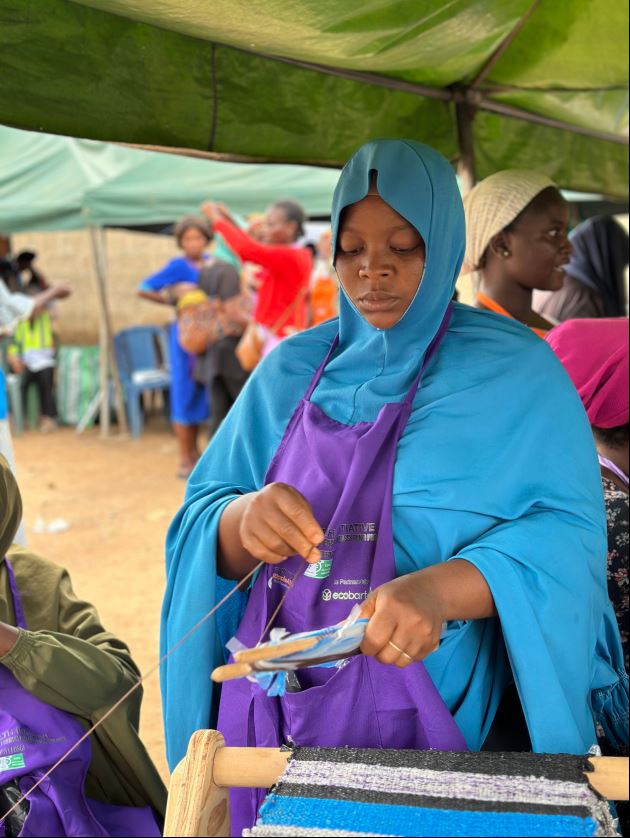
The heart of the Waste to Wealth project lies in capacity building. We trained 200 women through step-by-step, hands-on sessions delivered in partnership with Ecobarter.
The women learned:
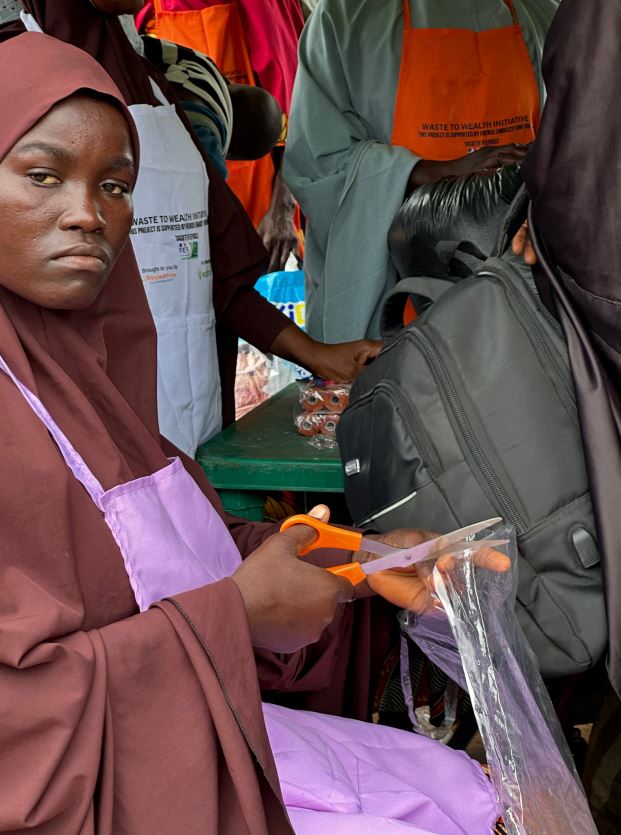
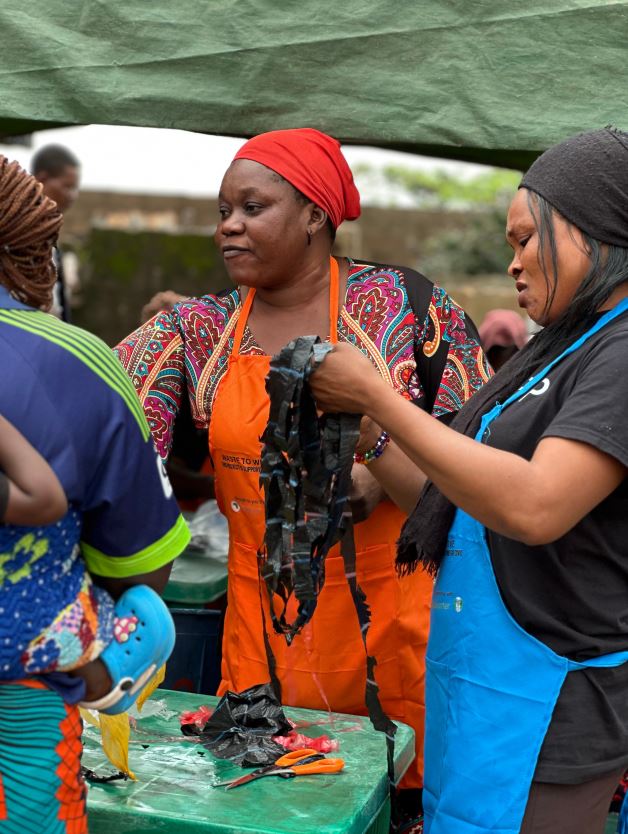
how to cut waste nylon into long, usable yarn
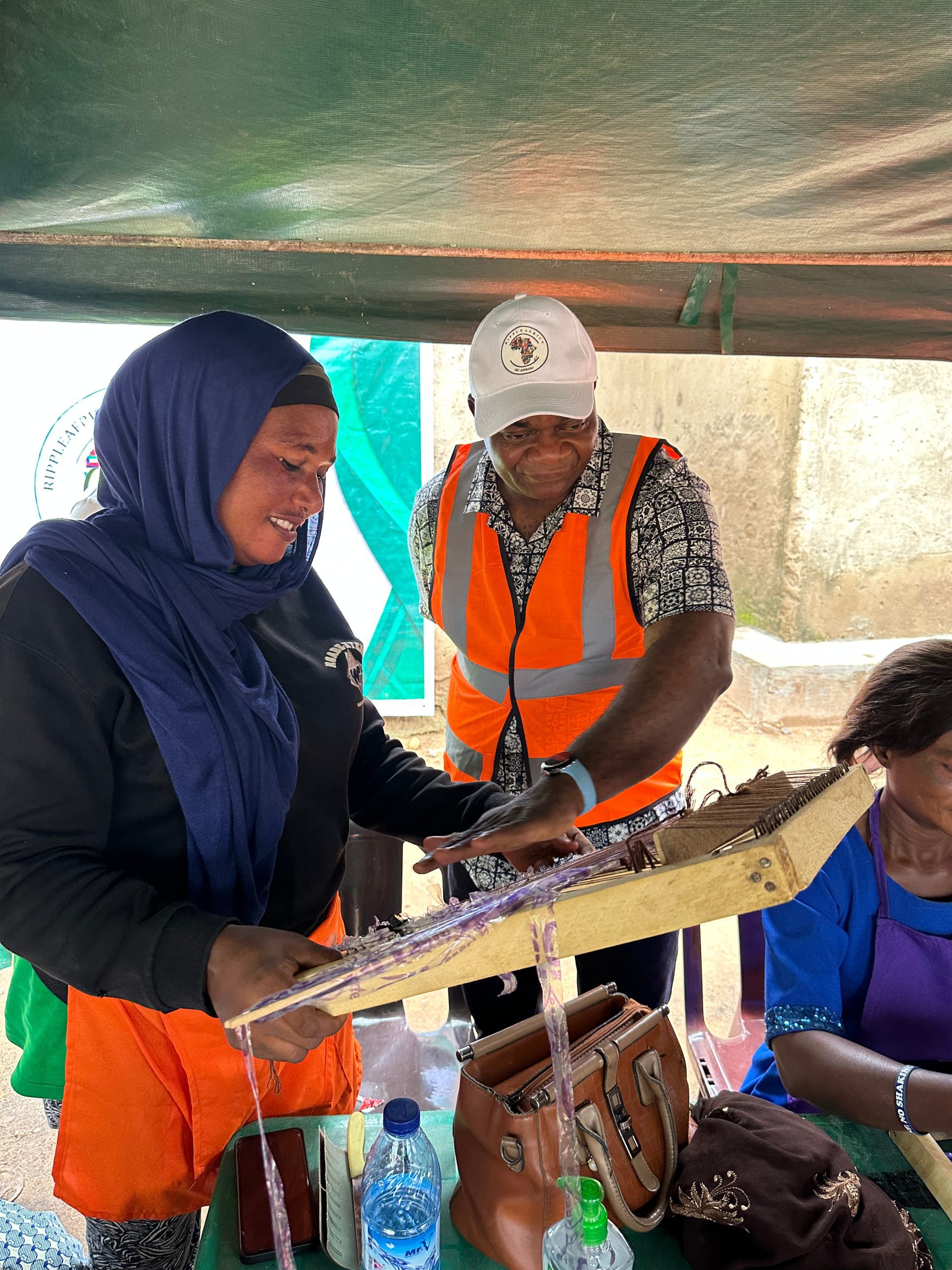
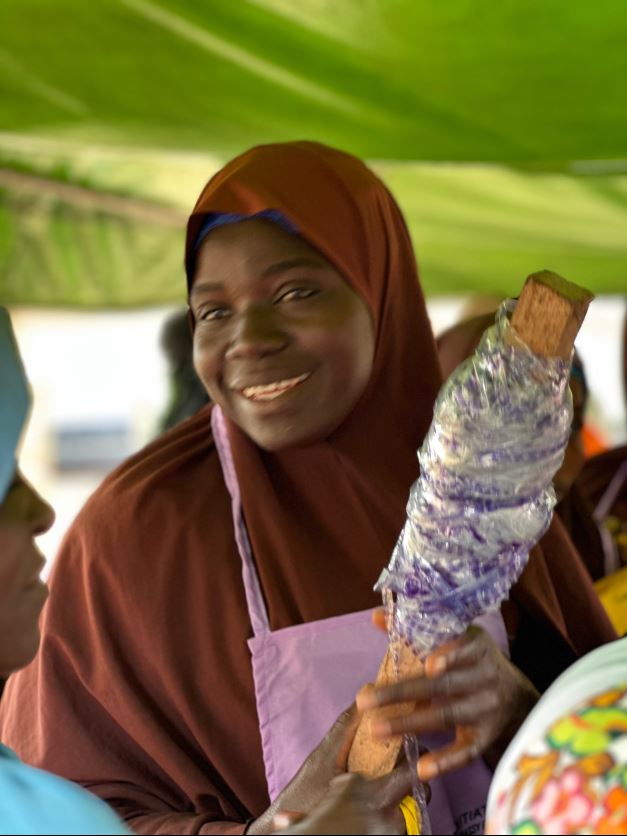
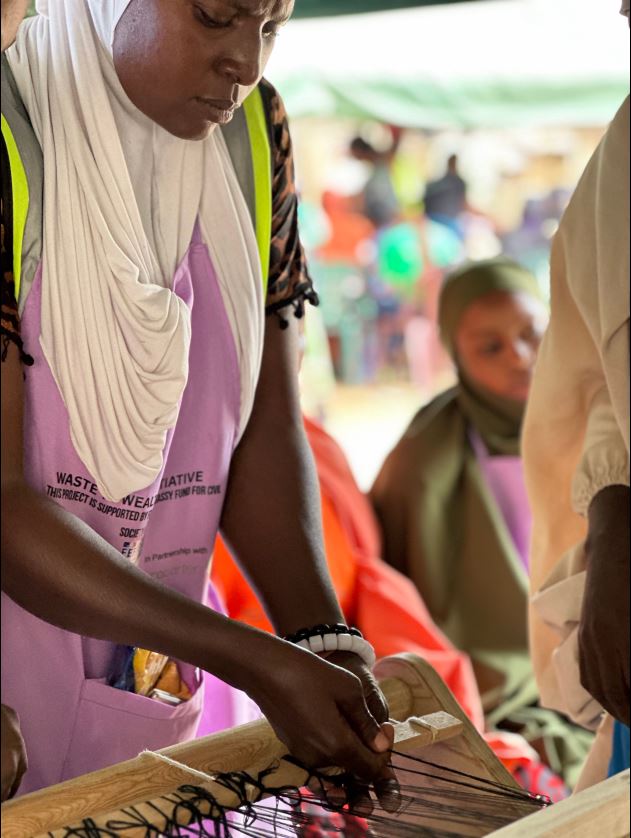
how to weave and crochet plabric
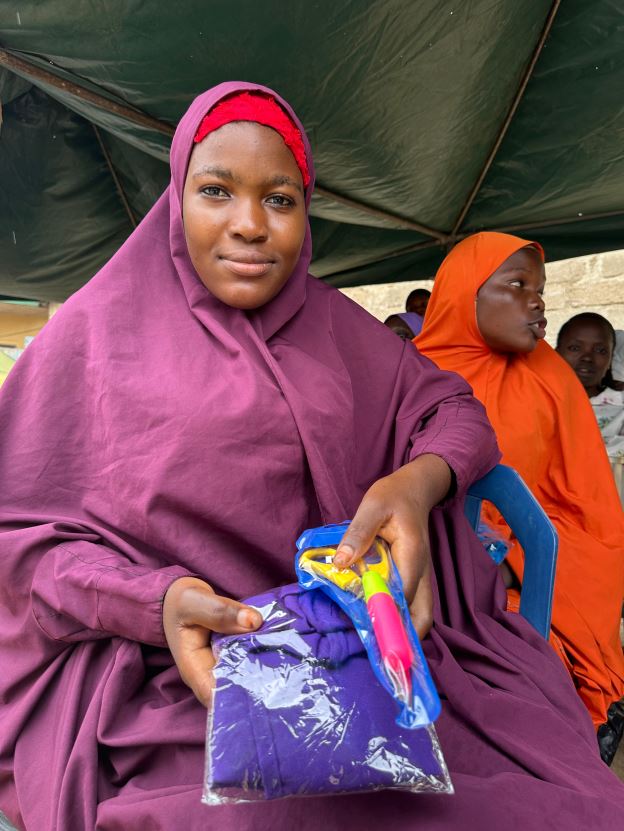
how to design bags, mats, purses,shoes and other items
how to choose colors, improve quality, and innovate with patterns
The transformation was remarkable. Women who had never touched a loom began producing beautiful, durable products. Some discovered design skills they never knew they had. Others developed leadership potential that is now emerging within their groups.
Beyond skills, the training built confidence, teamwork, and creativity. Every product created was more than an item — it was a statement: Women can turn waste into wealth.
4. Financial Literacy Training
Skills alone are not enough — sustainability requires financial empowerment.
To strengthen long-term impact, all 200 women were trained on:
saving and budgeting
record keeping
pricing their products
managing small businesses
planning for growth
understanding market value
For many women, this was their first time learning structured financial principles. They gained clarity on how to secure their earnings, avoid loss, make profit, and grow their small ventures.
The result? Women are now more confident about handling money, planning their income, and sustaining the craft they have learned. Financial literacy became the bridge between skill acquisition and economic independence.
5. Market Access Support
To ensure that women truly earn from their new skills, we introduced a robust Market Access Support system.
This phase equips women with:
product branding and packaging
quality improvement techniques
pricing for different markets
opportunities to showcase their products
connections to buyers, exhibitions, and retail networks
support for bulk orders and community sales
visibility through storytelling and digital promotion
We are helping the women move from production to profit — ensuring their bags, purses, mats, and plabric items reach real customers and generate real income.
Market access support turns creativity into livelihoods and ensures that the Waste to Wealth project does not end with training, but leads into long-term economic resilience.