

Eight Weeks of Learning, Creativity and New Possibilities
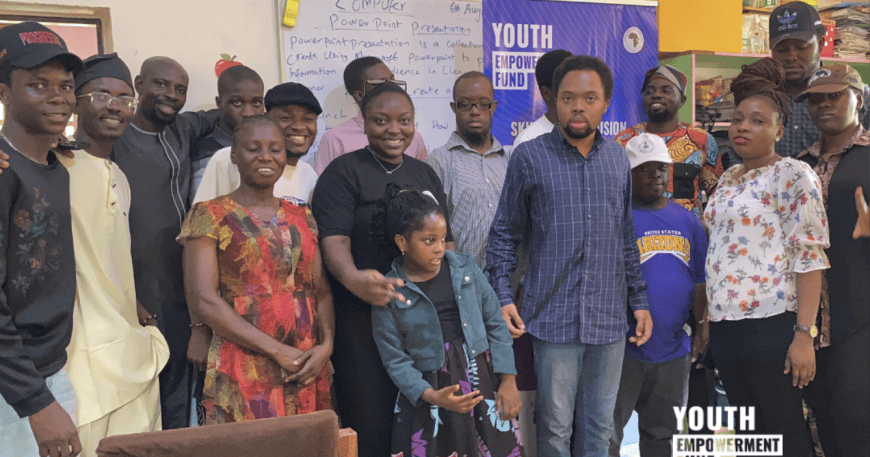
Digital skills are becoming an important part of how we learn, communicate, work and express ourselves. From creating a simple design to preparing a document, knowing how to use digital tools can make a difference in the opportunities available to us. Yet, access to digital skills training is not the same for everyone. As part of our commitment to inclusion, RippleAfrica Trust Foundation (RATF) worked with Royal School of Educational Therapy Foundation in Gwarinpa, Abuja, to provide an eight-week digital skills training programme for students with diverse neurological conditions.
The programme created an opportunity for the students to learn, practise and become more familiar with digital tools that can support them in their everyday lives and future pursuits.
Learning New Skills, One Step at a Time
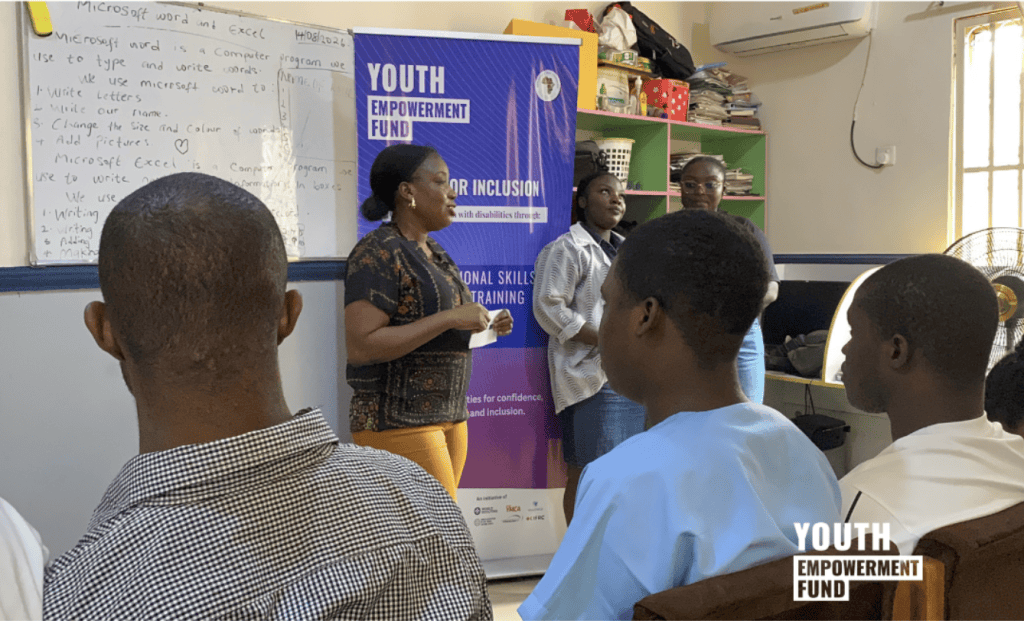
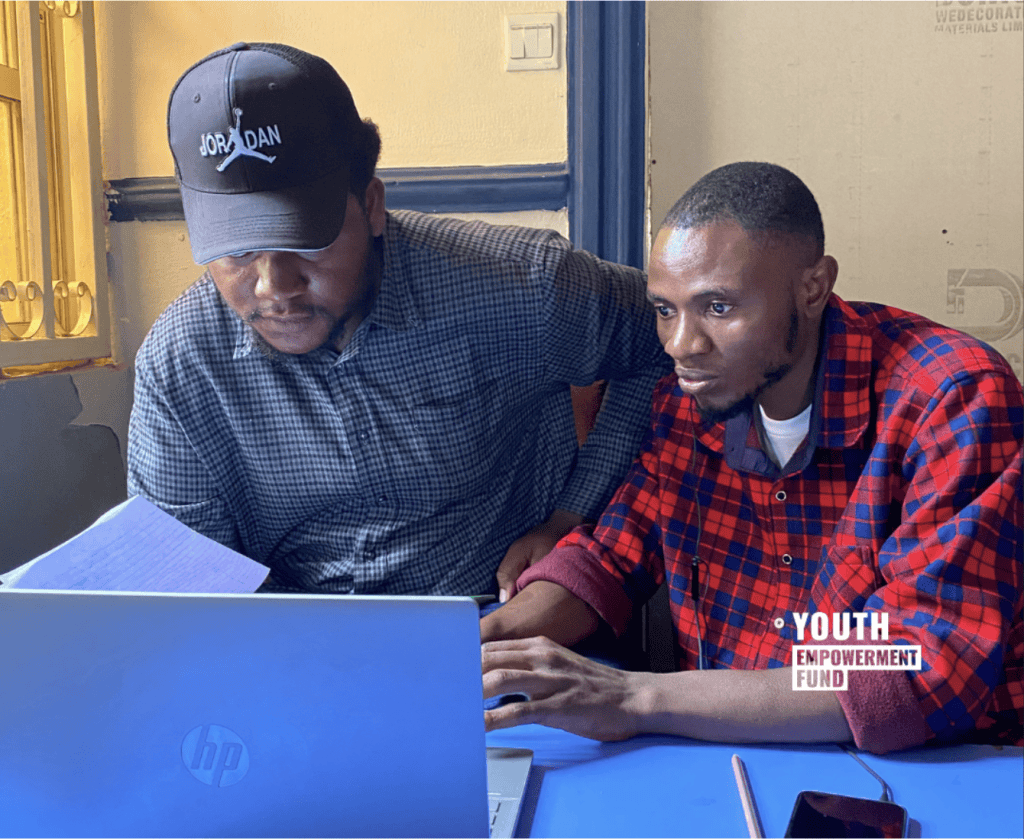
Over eight weeks, the students received training in graphic design and Microsoft Office. Through graphic design, they were introduced to tools for creating visual content and communicating ideas. The Microsoft Office sessions focused on familiarising them with digital applications used for tasks such as preparing documents and organising information.
The training was practical, giving students the opportunity to engage with the tools and develop their skills through learning and practice. For us, providing access to this kind of training is important. Digital skills are useful in many areas of life, from education and communication to creative work and employment. Everyone deserves a fair opportunity to learn and explore what these tools can make possible.
Beyond the Classroom: A Mentorship Session
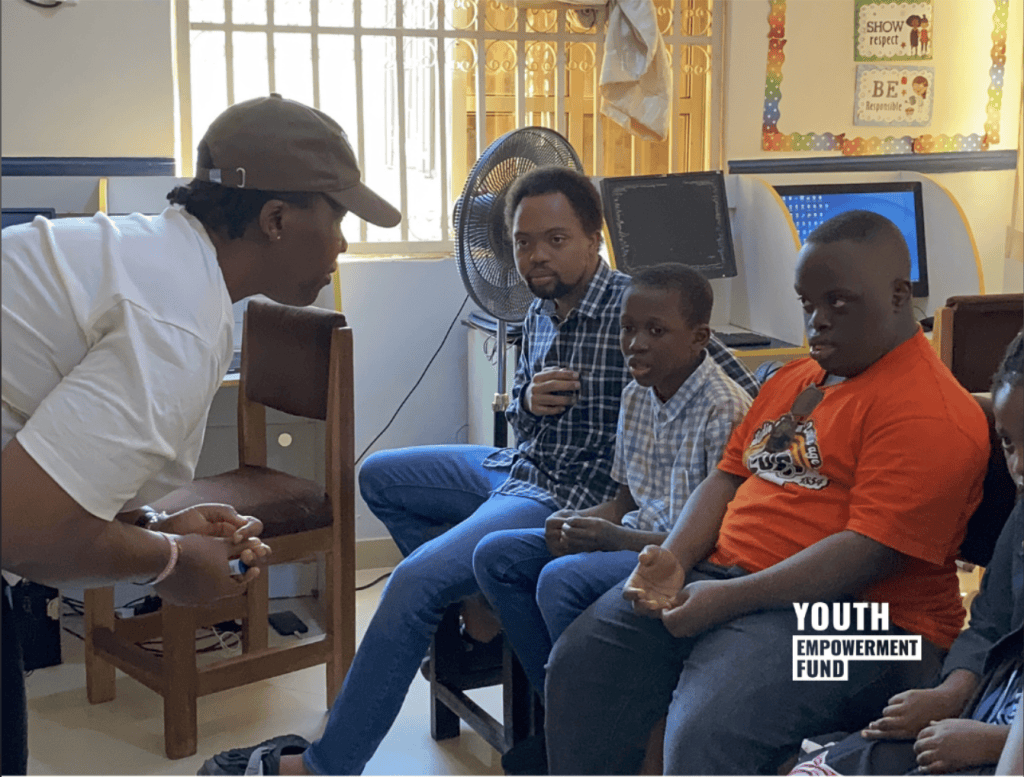
Learning a new skill is one part of the journey. Understanding how that skill might be useful beyond the classroom is another. As part of the programme, the students participated in a mentorship session that complemented their technical training. The session provided an opportunity for additional guidance and conversations about learning, personal development and future possibilities.
By bringing mentorship into the programme, we sought to make the experience about more than completing lessons. We wanted the students to have space to think about how the knowledge they were gaining could continue to serve them after the training ended.
Celebrating Eight Weeks of Progress
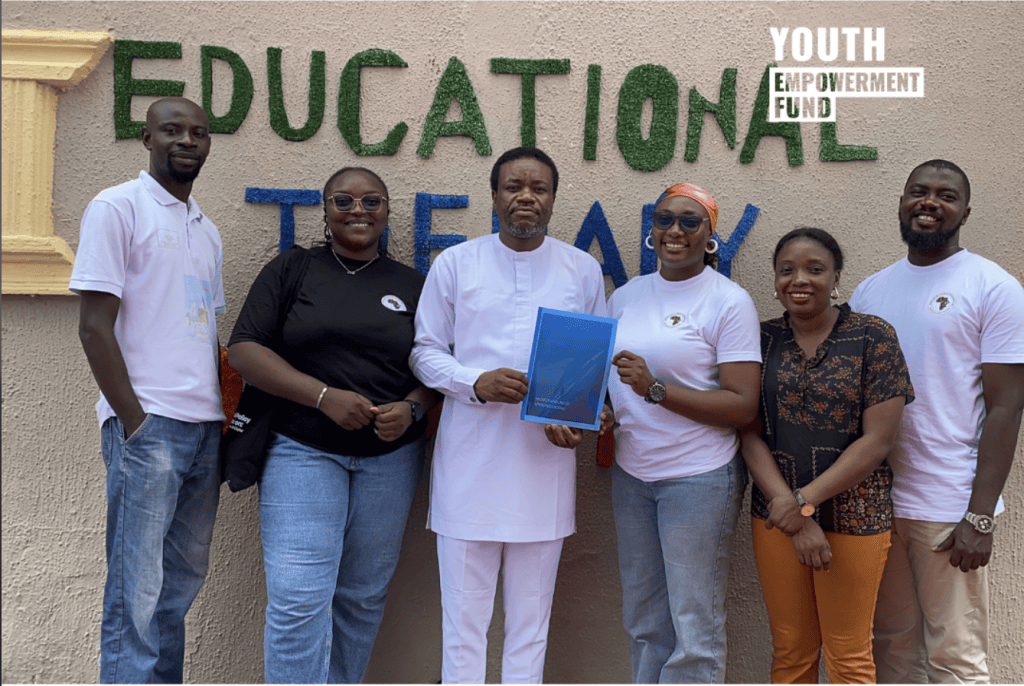
At the end of the eight-week programme, the students received certificates of completion in recognition of their participation in the training. The certificate presentation marked the close of the programme and recognised the time and effort the students had invested in learning new skills. It was also an opportunity to reflect on the experience: the lessons covered, the skills explored and the knowledge the students could continue to build upon. Completing a training programme does not mean that learning stops there. Rather, it provides a foundation for further practice, exploration and growth.
Why Digital Inclusion Matters
For many people, digital tools have become part of everyday life. They help us communicate, access information, complete tasks and explore new ways of working. Persons with disabilities should also have opportunities to learn and use these tools. However, access to appropriate training, learning environments and the resources needed to practise can make a significant difference.
At RATF, we recognise that digital inclusion requires more than introducing people to technology. It also means creating opportunities for people with disabilities to develop relevant skills and participate in a world where digital knowledge is increasingly valuable.Our work with the Royal School of Educational Therapy Foundation reflects this commitment.
Through the training, we supported students with diverse neurological conditions to access learning in graphic design and Microsoft Office, alongside a mentorship experience.
We also recognise that training is one part of a wider journey. Continued learning, appropriate support and access to further opportunities remain important for turning skills into meaningful outcomes.
Continuing the Work
The eight-week programme has come to an end, but the importance of digital skills and inclusion continues. We are grateful to the Royal School of Educational Therapy Foundation for working with us to make the programme possible, and to everyone who contributed to the students’ learning experience.
At RippleAfrica Trust Foundation, we remain committed to supporting initiatives that expand access to learning and help more people develop the skills they need to participate in an increasingly digital world.
We believe that access to learning should create room for more people to discover, develop and use their abilities.
Through continued collaboration and investment in inclusive learning opportunities, we can keep working towards a future where persons with disabilities have greater access to digital skills and the opportunities those skills can support.
Interested in supporting digital skills and inclusion?
Partner with RippleAfrica Trust Foundation to help expand access to learning and opportunity.
