

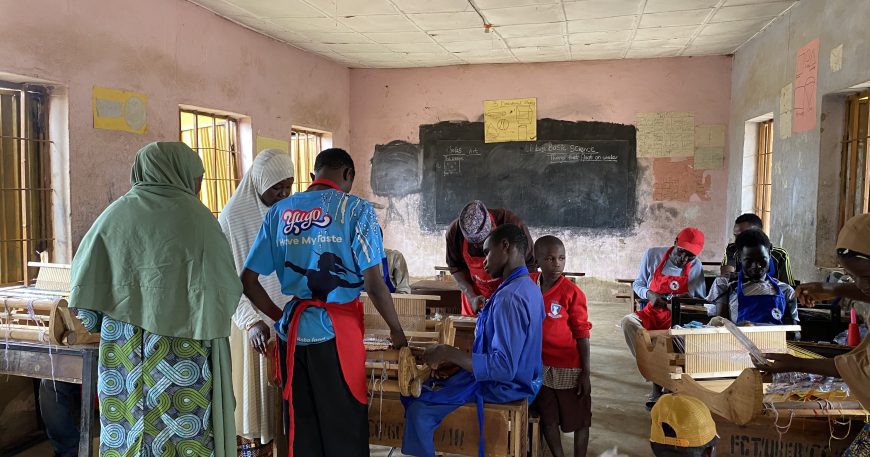
The Skills for Inclusion project has entered its practical learning phase, with young people with disabilities in Karonmajiji now actively participating in vocational training designed to equip themwith practical skills for greater economic independence.
Following the commencement of the project, participants have settled into hands-on learning across the vocational tracks, where they are not only learning the fundamentals of their chosen trades but also developing the confidence and practical experience needed to apply these skills beyond the training centre.
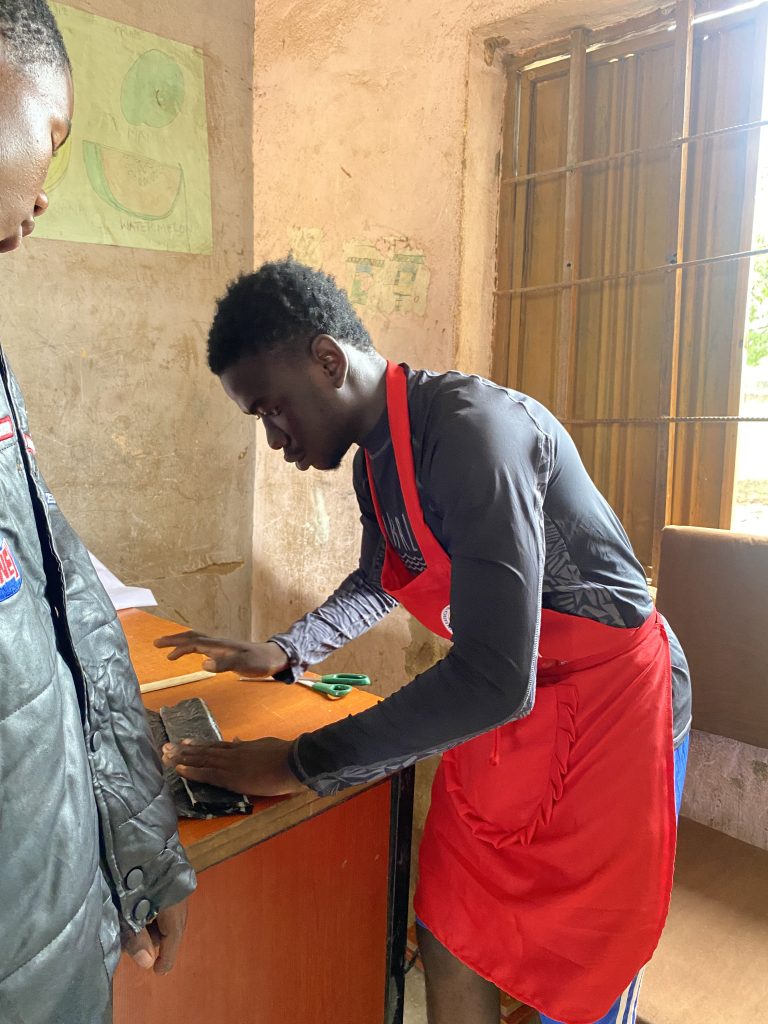
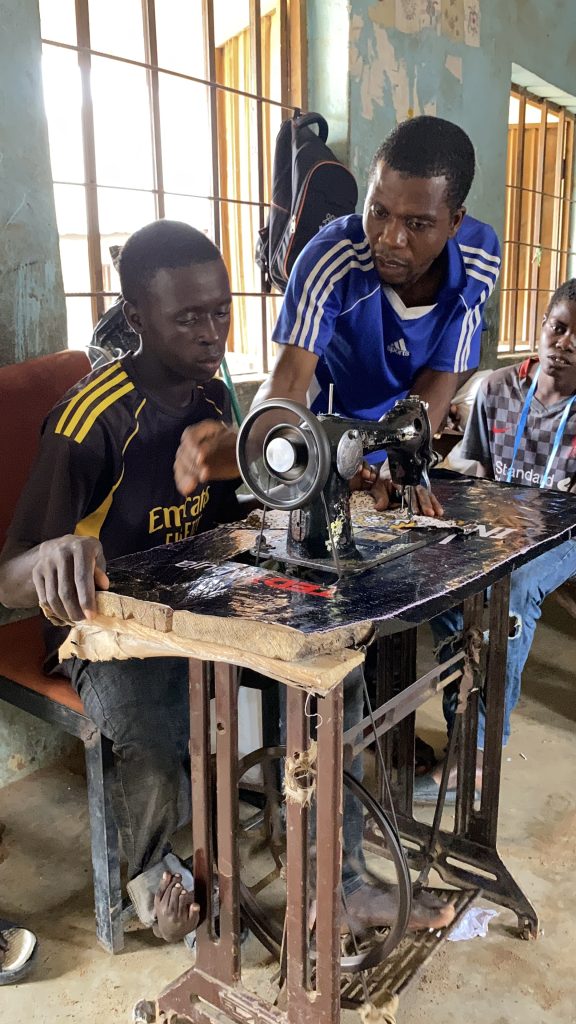
The vocational training currently includes tailoring and waste conversion, with participantsreceiving guided instruction from facilitators and spending time practising the techniquesintroduced during each session.
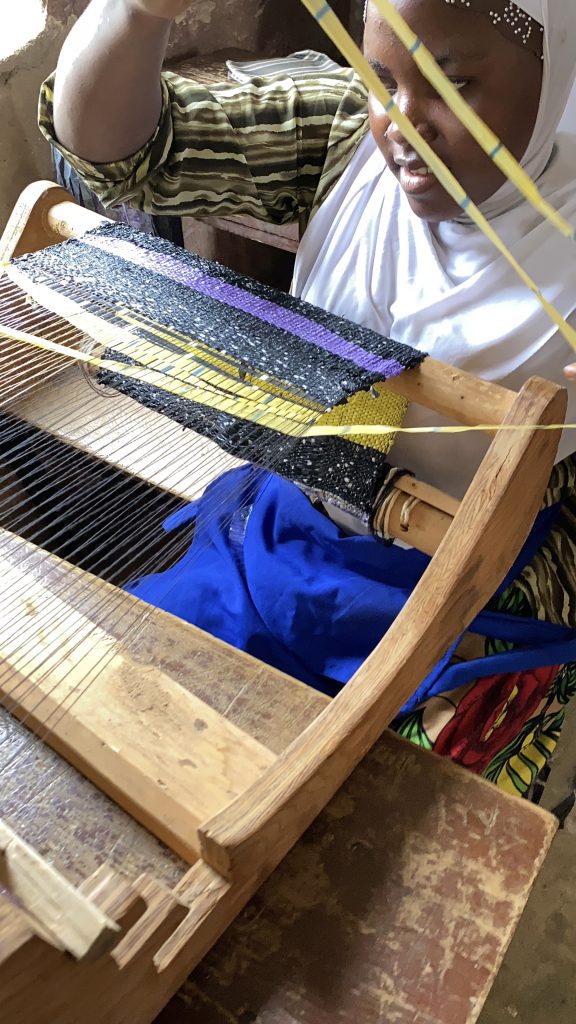
At the tailoring sessions, participants are learning through practical demonstrations andhands-on exercises, progressing from basic techniques to creating their own pieces. Thetraining provides an opportunity for participants to develop a skill they can continue to build onbeyond the project.
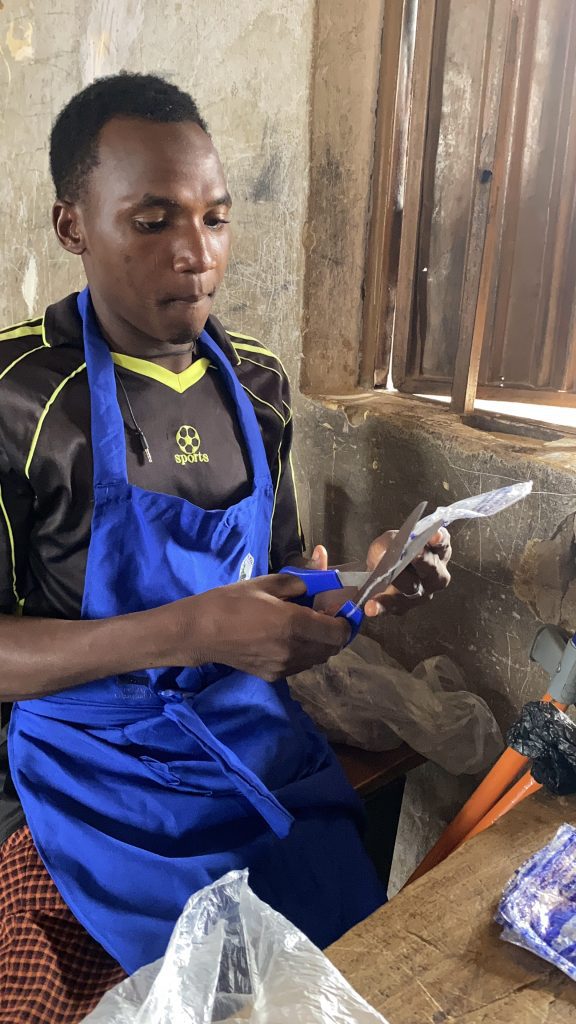
The waste conversion track takes a different approach to skills development, introducing participants to ways of transforming discarded materials into useful products. Through this process, participants are learning both a practical skill and how materials often considered waste can be given new value.
Beyond the technical skills, the training has also created a space where participants can learn alongside one another, ask questions, practise new techniques, and build confidence in their abilities.
For many of the participants, the opportunity represents more than simply learning a trade. It is a chance to acquire a skill that can support their personal aspirations, contribute to their families, and potentially create a pathway to earning an income.
“I want to learn a skill to help my family,” is one of the sentiments that captures what the opportunity means to many of the young people participating in the programme.
The project team has continued to make regular visits to the training centre to monitor the progress of the sessions, document participants’ experiences, and capture the stories emerging from the programme.
As the vocational learning phase continues, RippleAfrica Trust Foundation will continue to share the progress, experiences, and achievements of the participants as they move from learning the basics to applying their skills with greater confidence.
The journey is underway, and every new skill learned is another step towards greater opportunity and inclusion.
About Skills for Inclusion
Skills for Inclusion is an initiative focused on empowering young people with disabilities through access to practical skills and opportunities that can support their participation in economic and social life.
The Skills for Inclusion project is funded by the Youth Empowerment Fund, a partnership between the European Union and Global Youth Mobilization.

